Montepulciano, Where Tuscany Tells Its Own Story
Amid ancient estates, historic wineries, and landscapes of extraordinary beauty, a journey to discover a land that has turned its roots into a source of cultural and economic wealth.
There are corners of Tuscany that I particularly love because, every time you visit them, they reveal something new. Montepulciano is one of them. Perhaps because of its privileged location, between the Valdichiana and the Val d’Orcia, or because of the elegance of its Renaissance palaces, or perhaps because of the wine culture here—which is as much a part of family history as it is of the local economy.
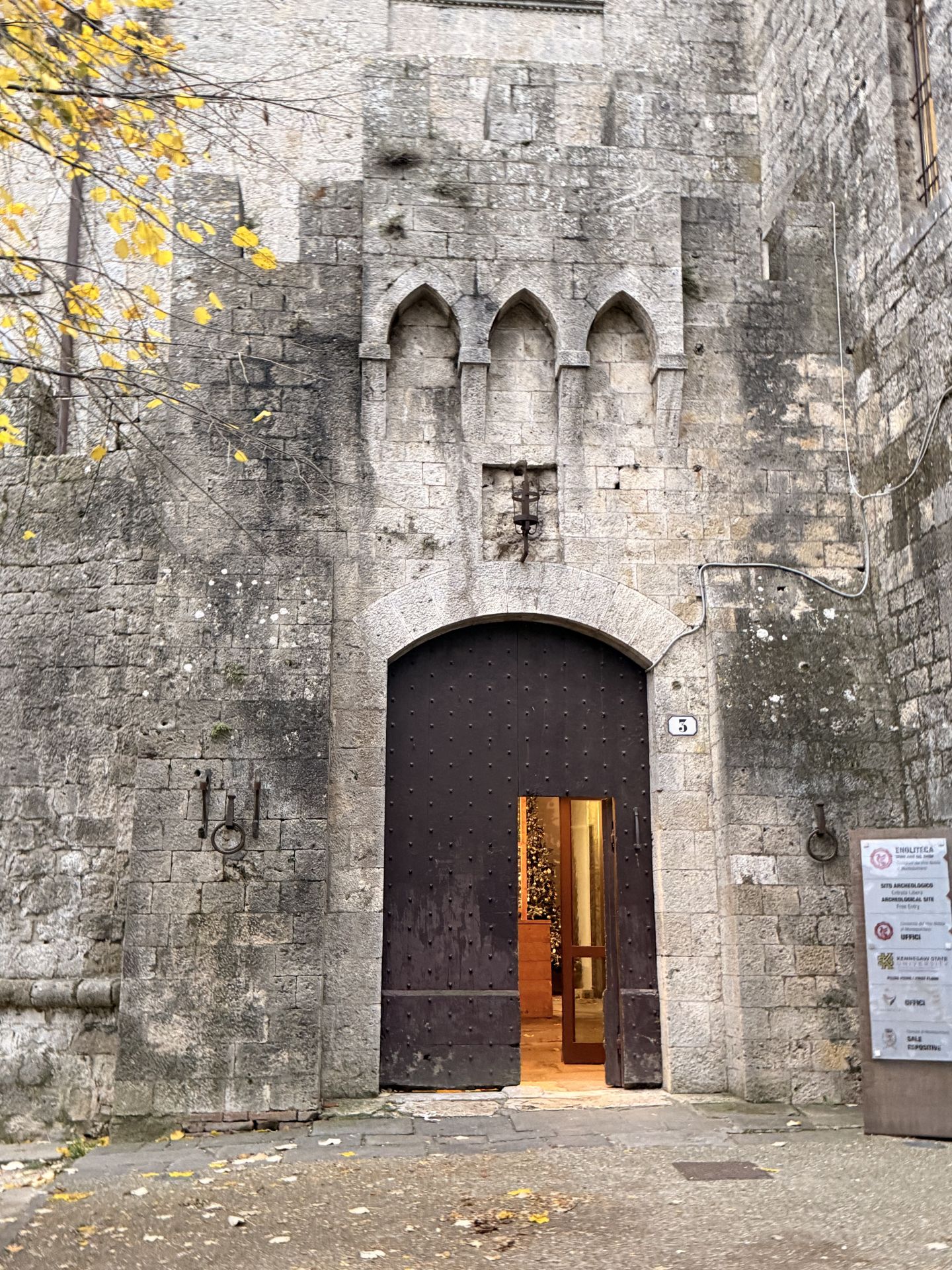
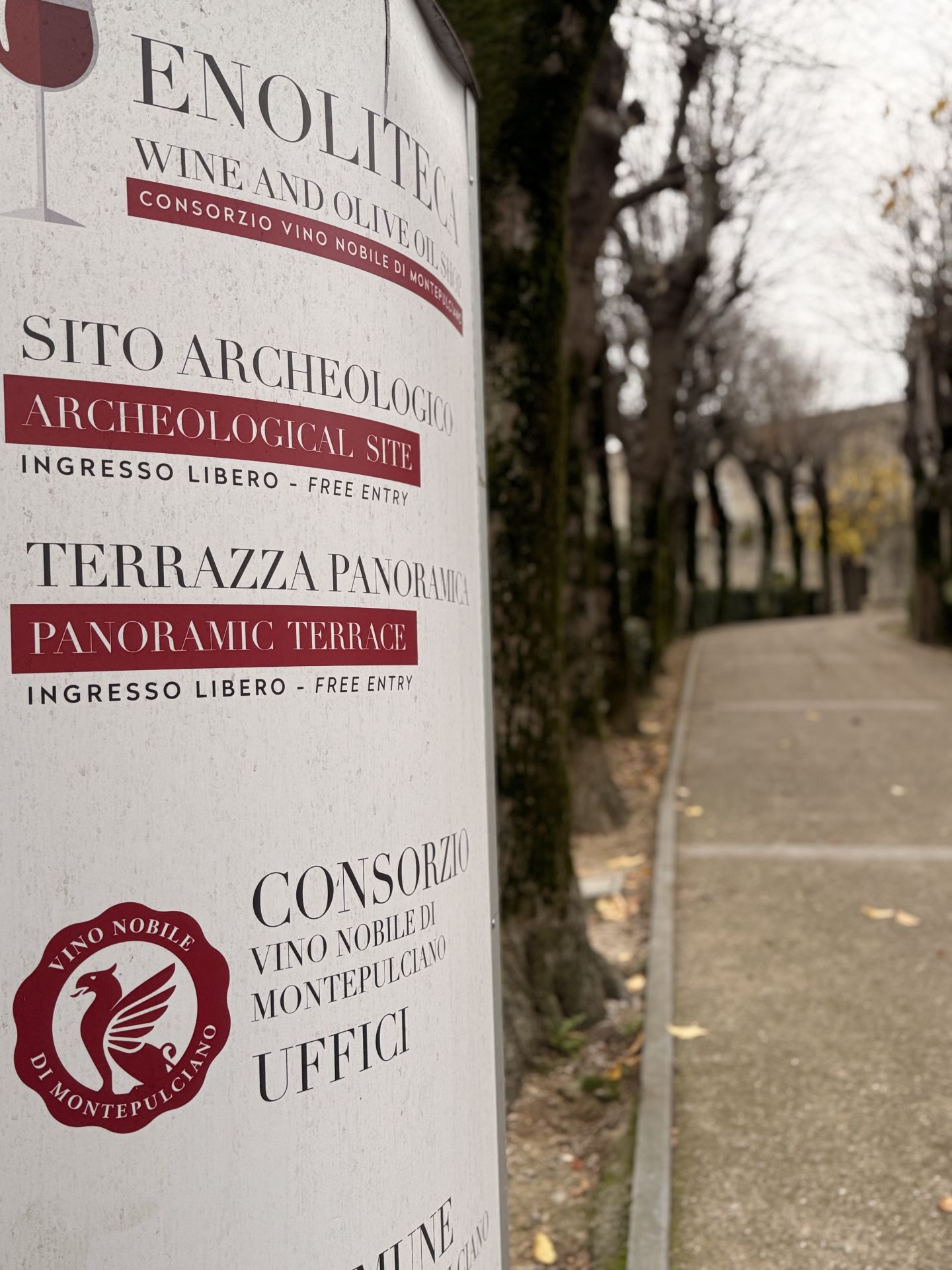
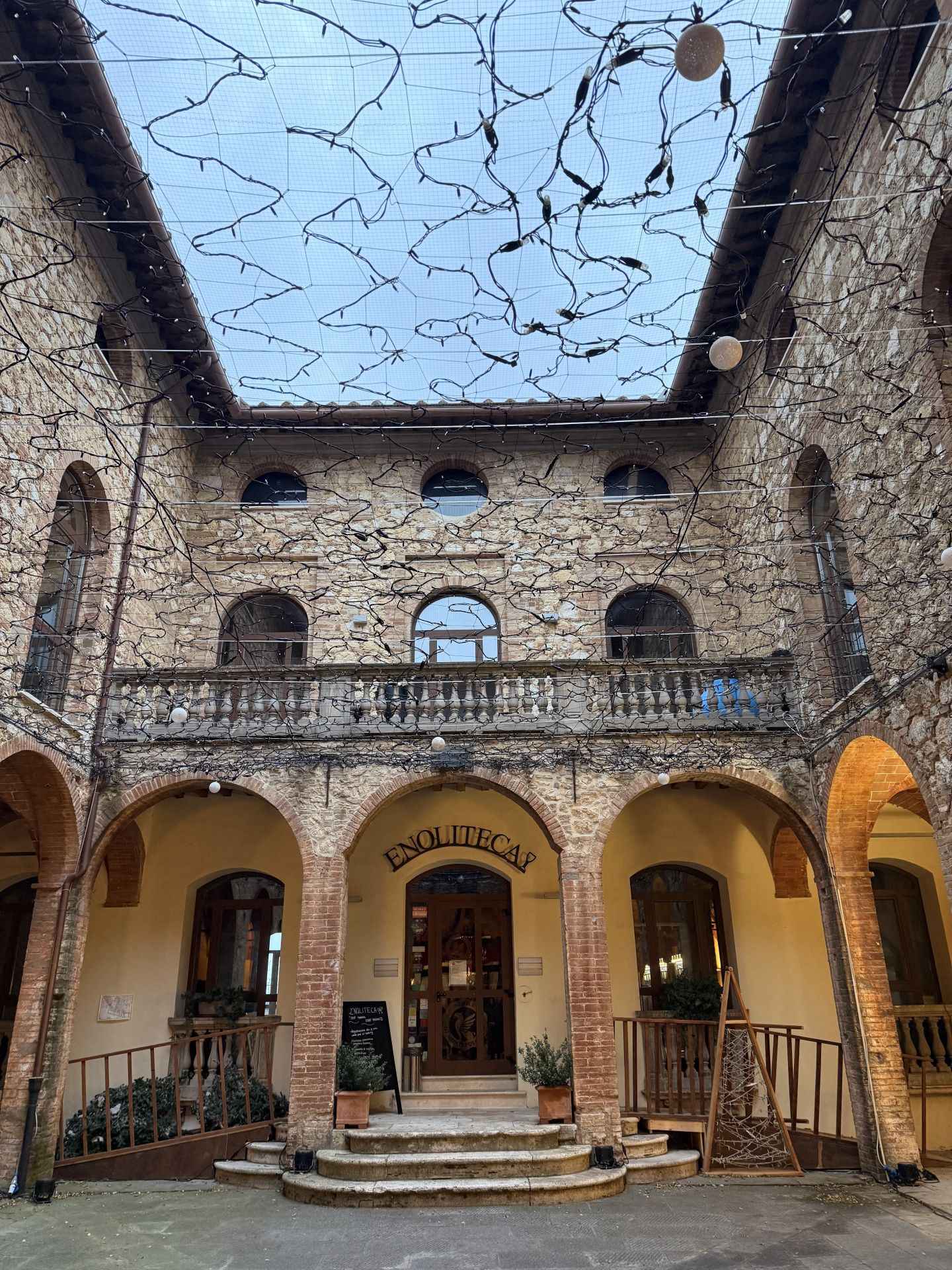
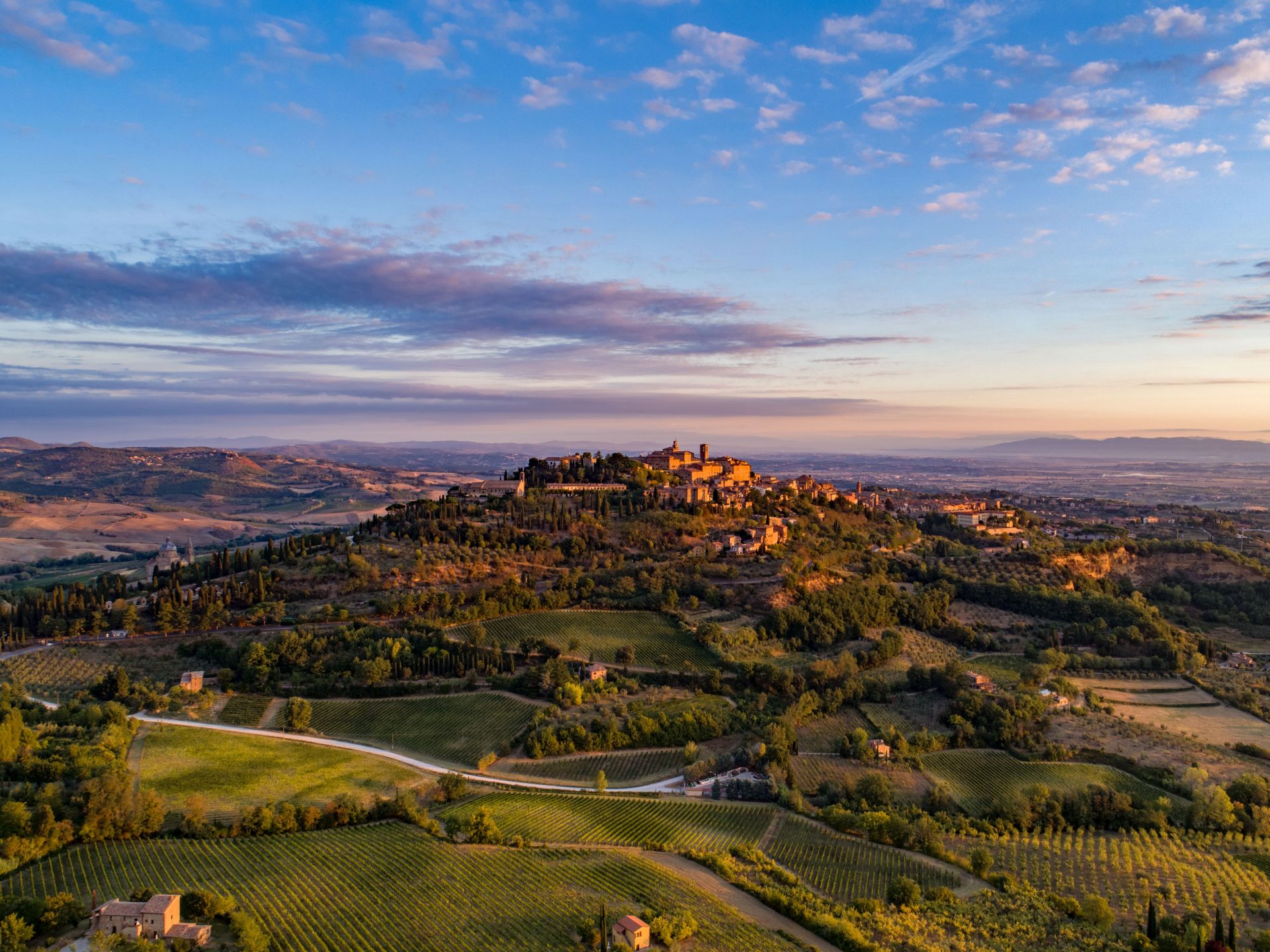
The road leading to the village is already part of the journey. The rolling hills stretch out among vineyards, farmhouses, cypress trees, and expanses of olive groves, creating a landscape that tells the story of human labor and our relationship with nature. A beauty forged over the centuries through an understanding of the land and respect for the seasons.
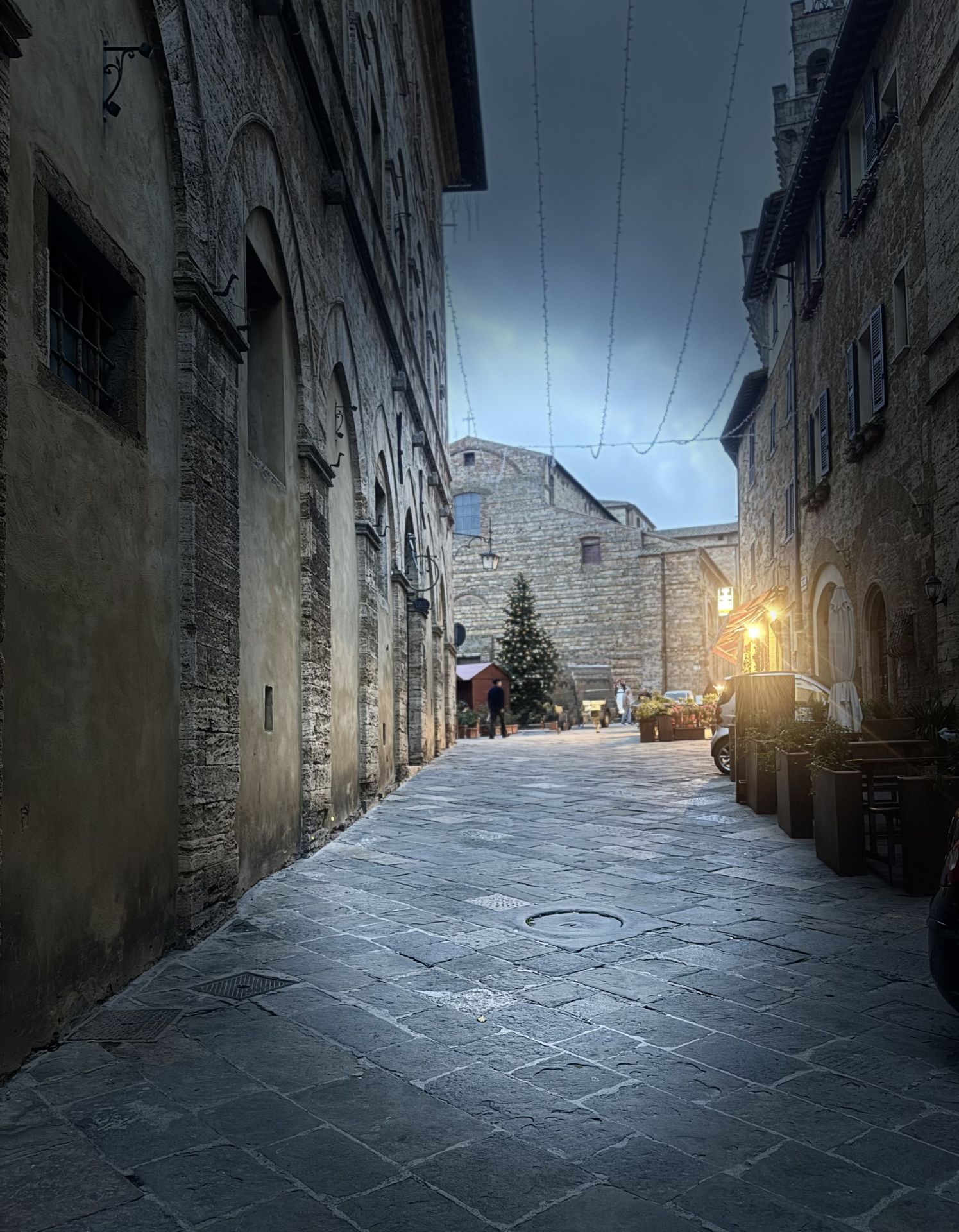
Montepulciano is best explored on foot, without rushing. Walking up the main street, you’ll come across shops, wine bars, small restaurants, and noble palaces that bear witness to the political and economic importance the city held during the Renaissance.
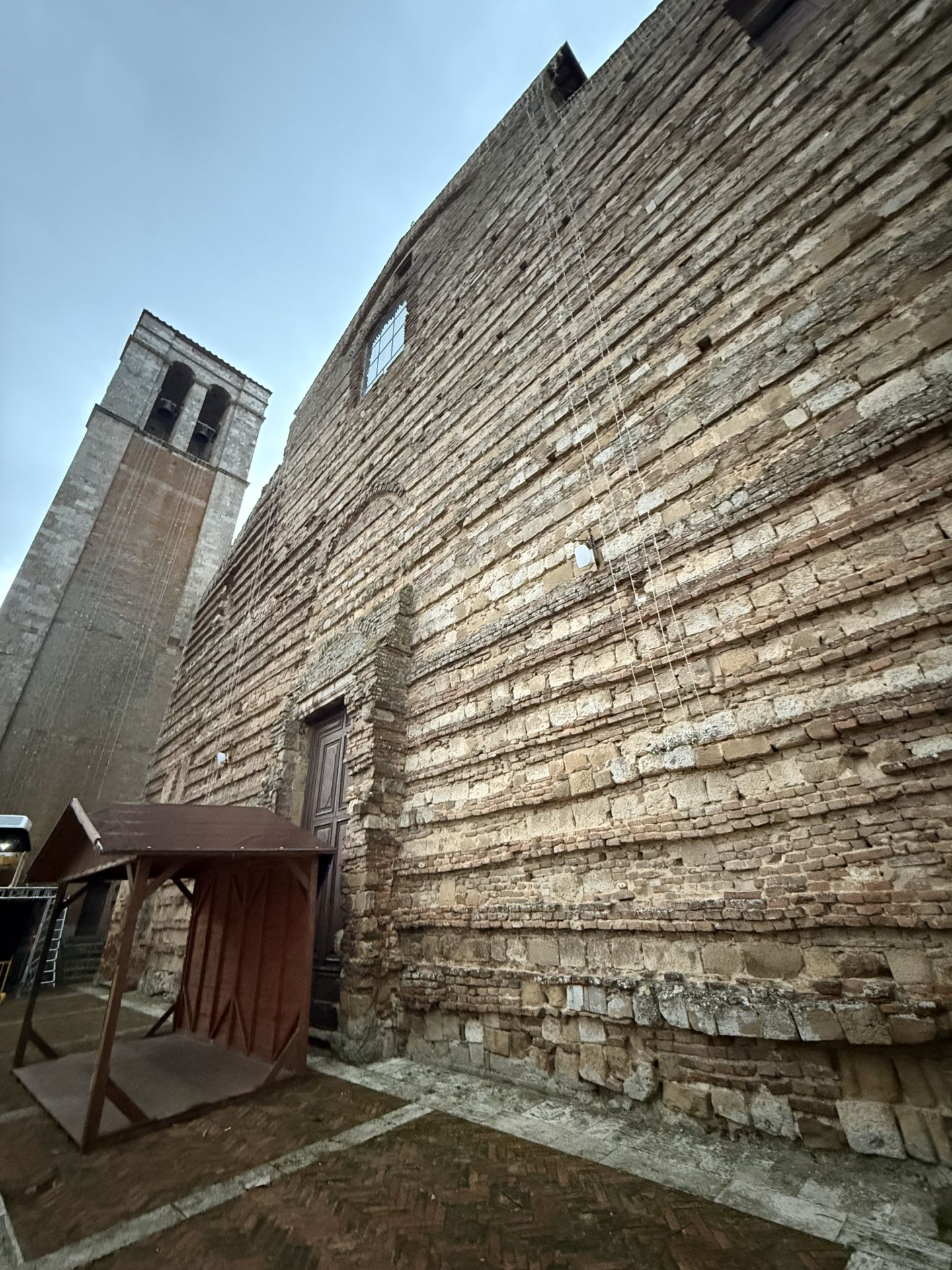
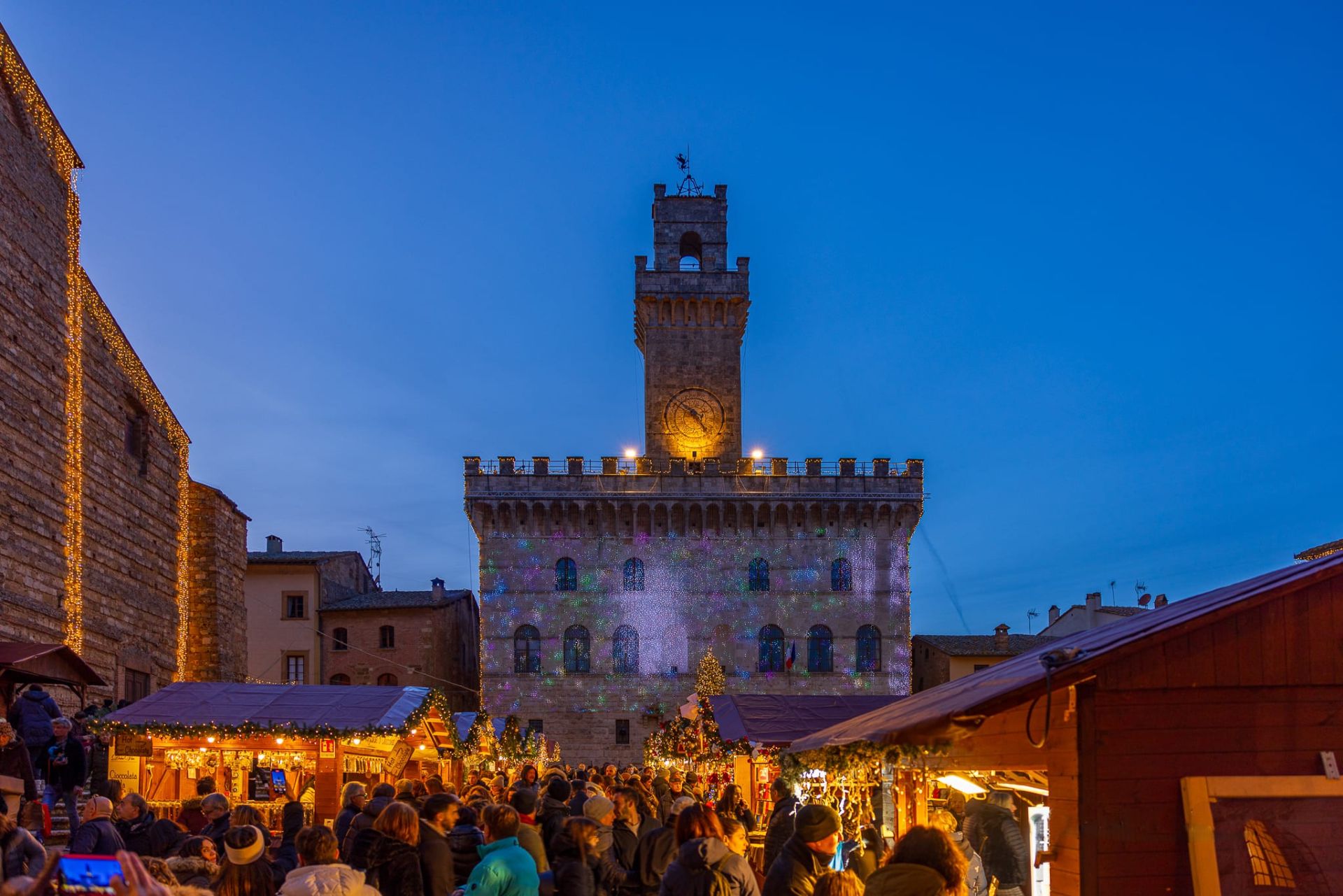
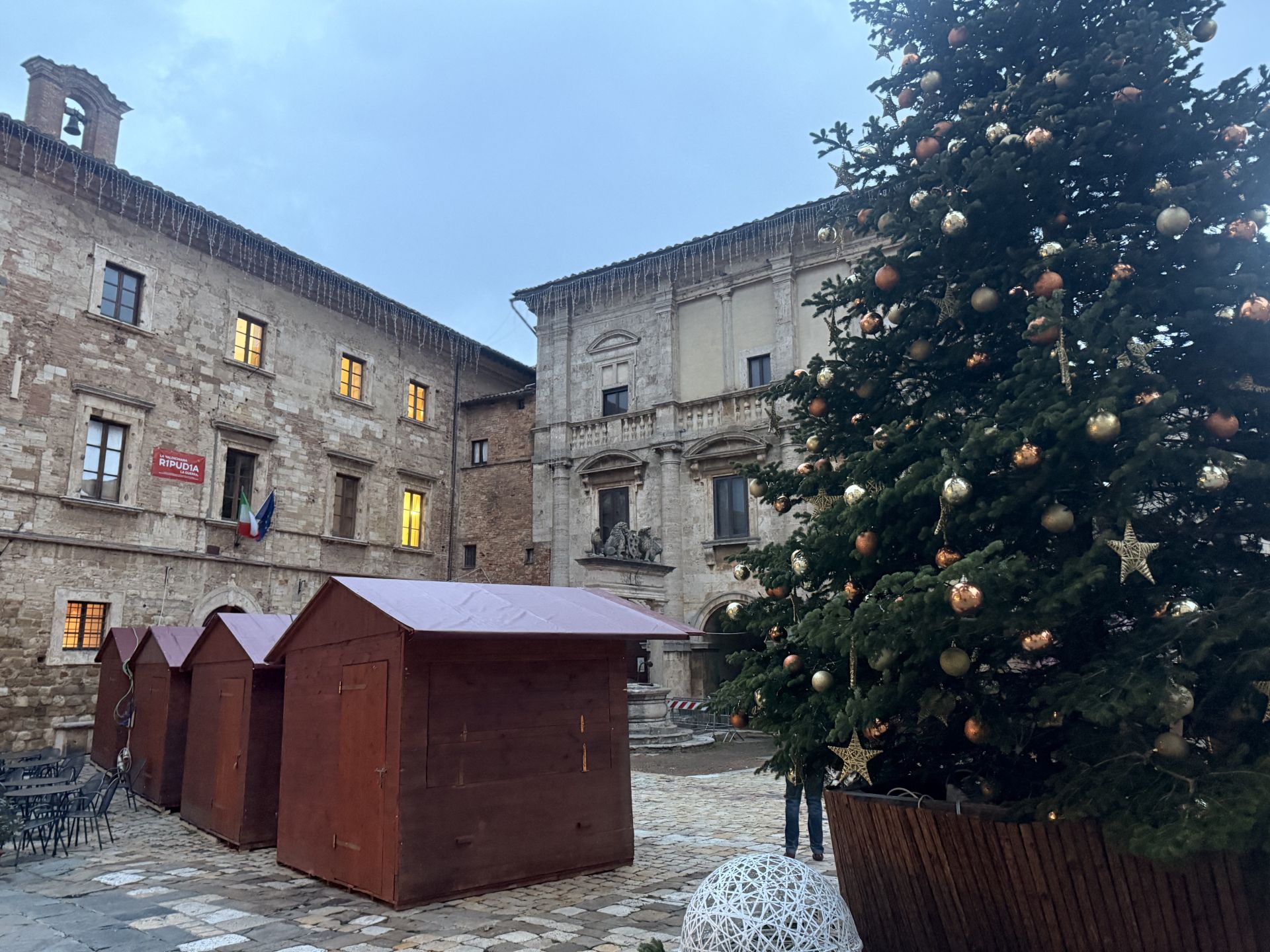
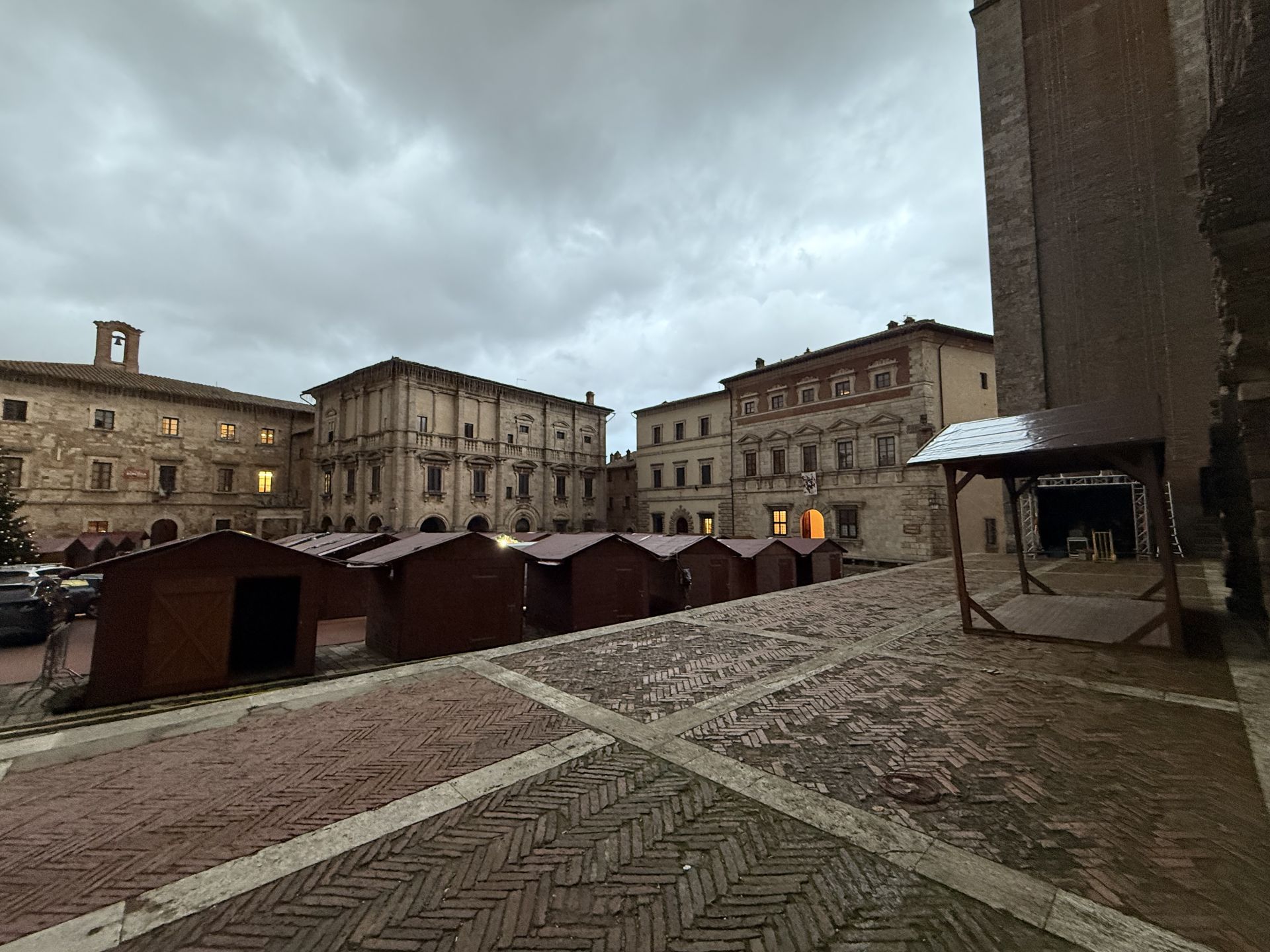
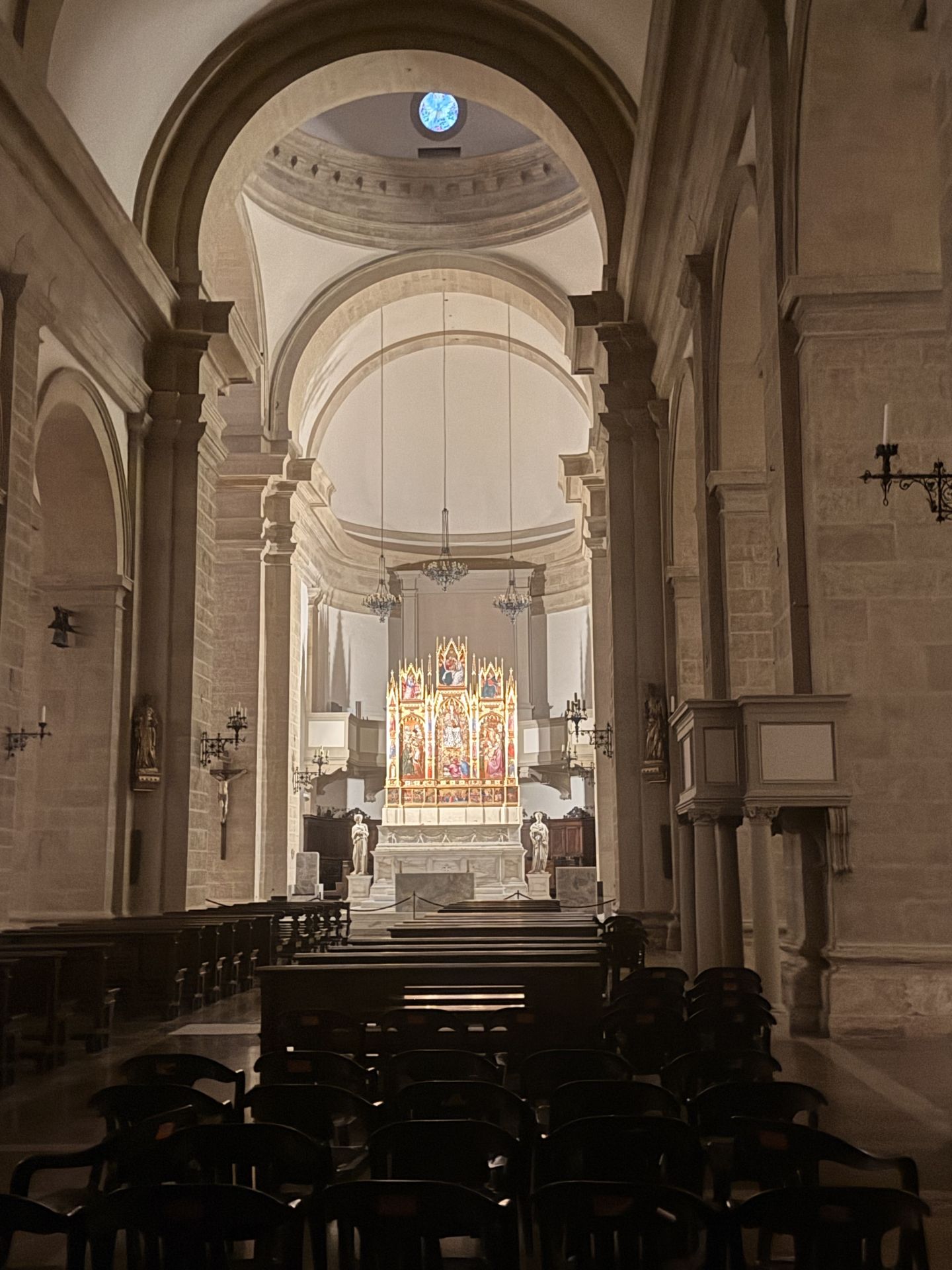
This leads you to Piazza Grande, the heart of city life, dominated by the Town Hall and the Cathedral of Santa Maria Assunta. Not far from the historic center, at the foot of the hill, the Church of San Biagio—designed by Antonio da Sangallo the Elder—surprises visitors with the harmony of its forms and the extraordinary light that caresses the travertine.
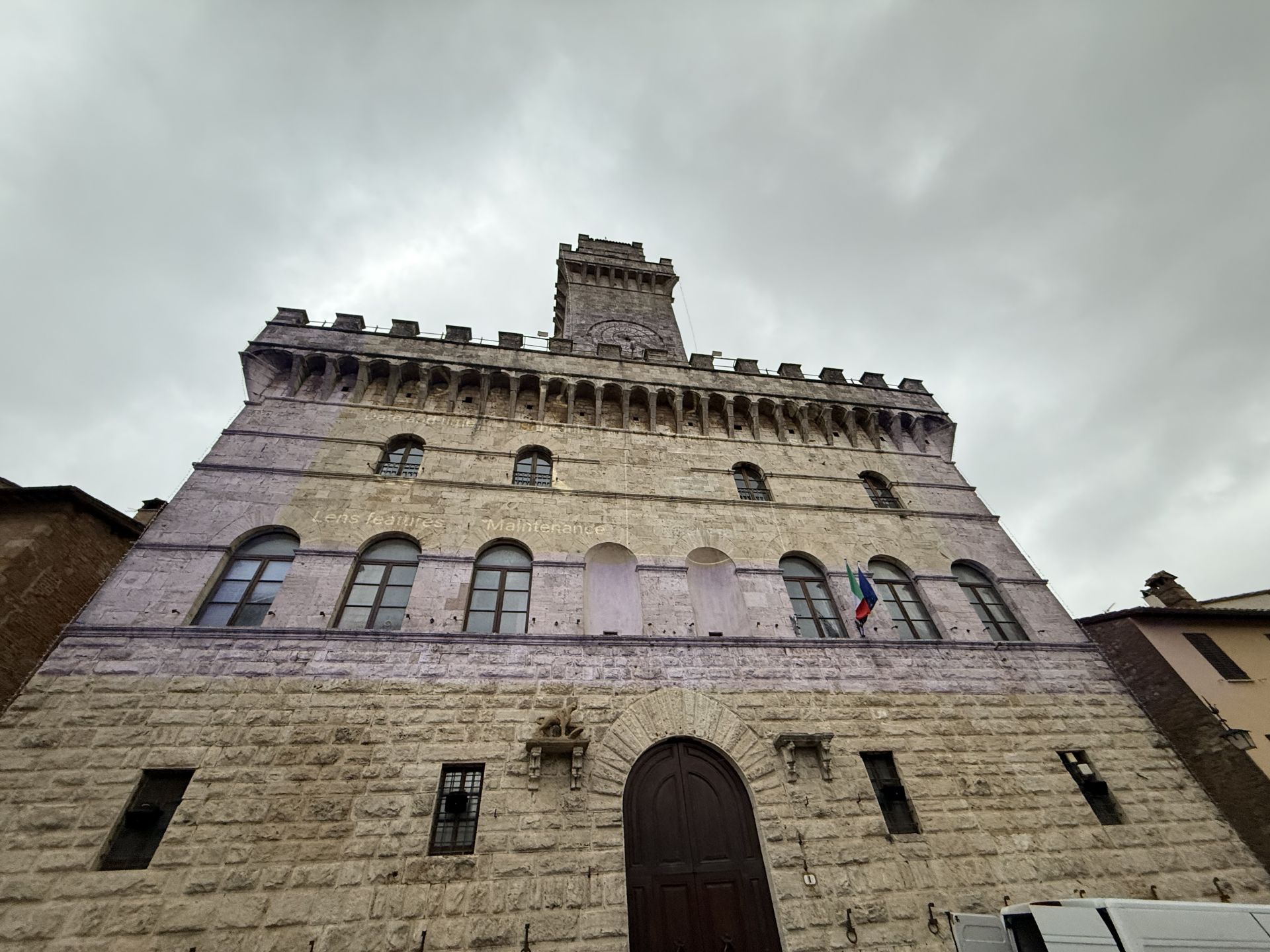
Montepulciano, the Magic of Christmas
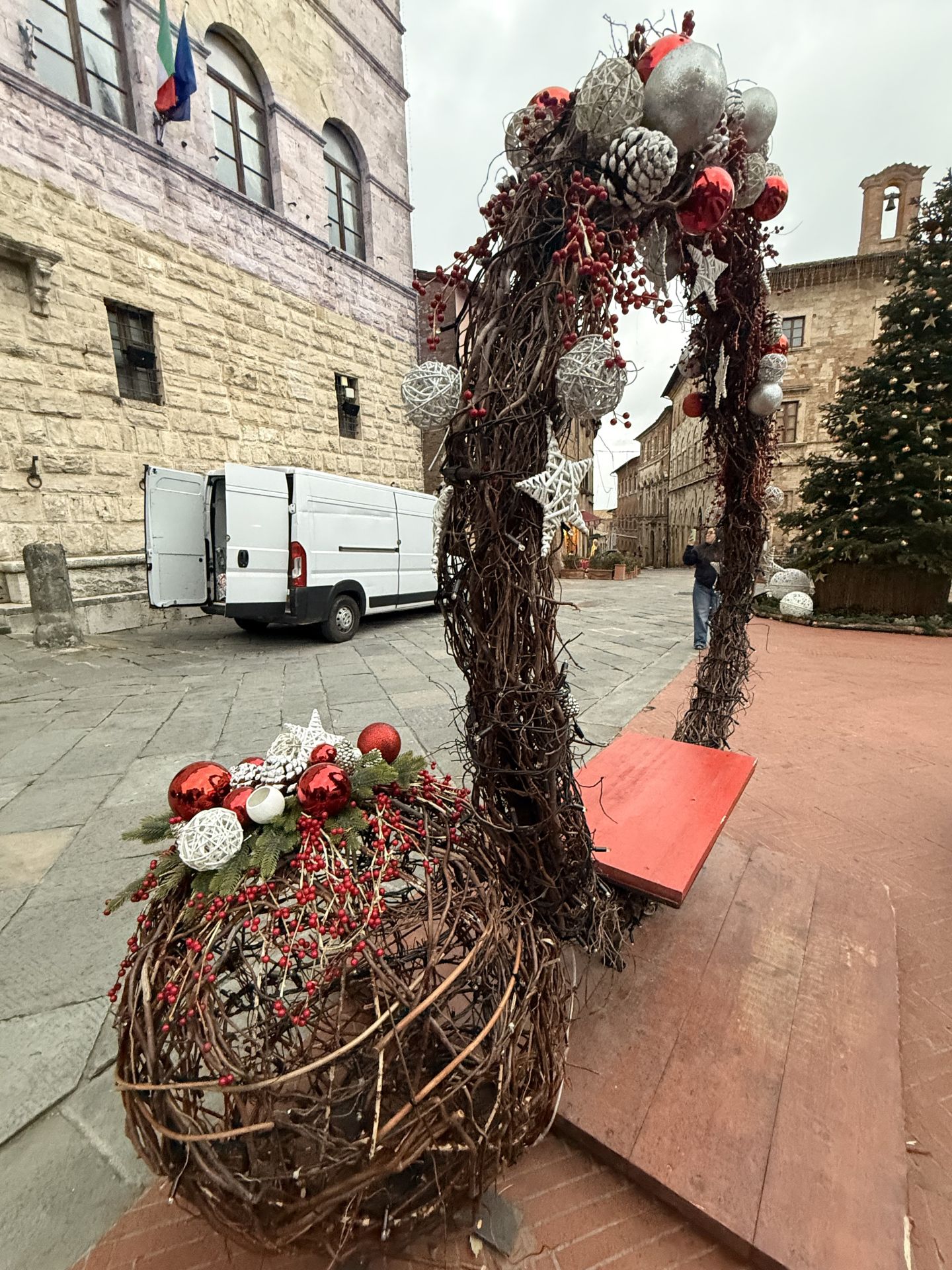
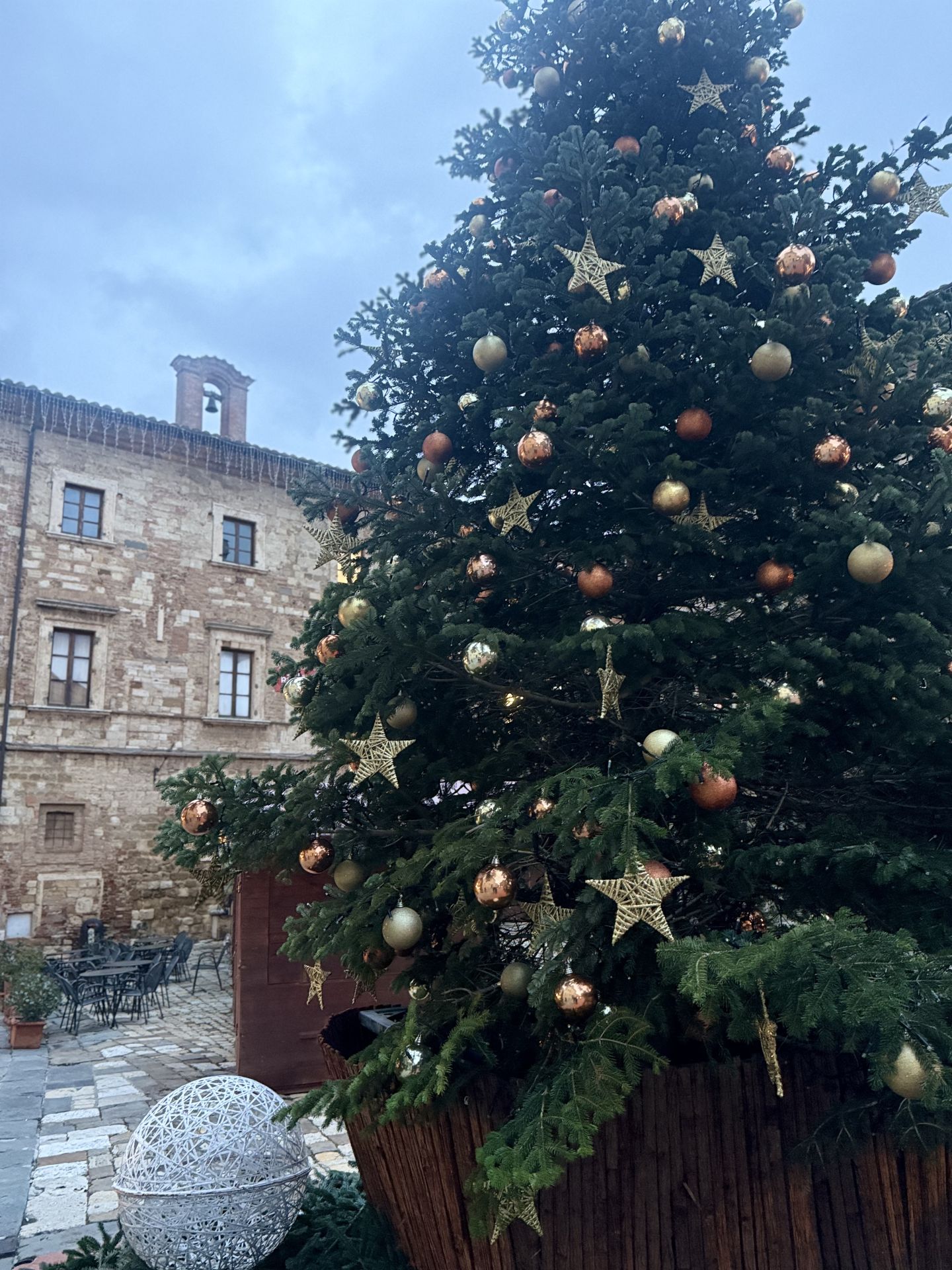
During the Christmas season, Montepulciano takes on an even more special charm. Piazza Grande is decked out in lights and colors, hosting the traditional Christmas market, where the characteristic wooden stalls feature artisanal products, gourmet specialties, and gift ideas. Inside the Medici Fortress, Santa’s Castle offers children a fairy-tale atmosphere.
Strolling among the ancient palaces on chilly December days, stopping for a glass of Vino Nobile, or savoring traditional Tuscan desserts is a delightful way to enjoy the holidays away from the hustle and bustle of big cities.
Christmas also offers the chance to learn about the work of artisans and small local producers, purchase regional products, and rediscover the value of a handmade gift. It’s a wonderful opportunity to support the local economy and the “Made in Italy” culture, which finds one of its most authentic expressions in Italy’s small towns.
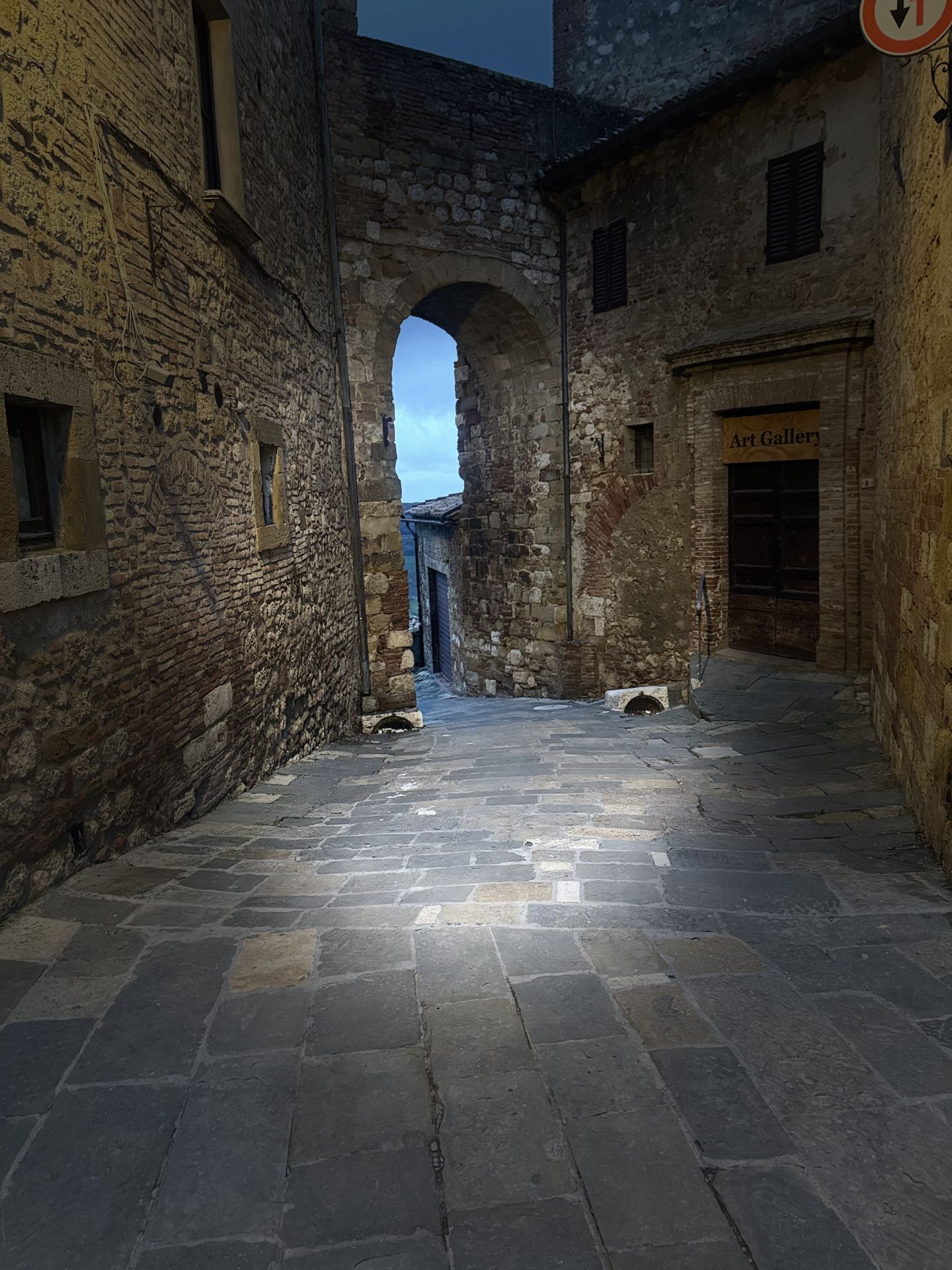
Vino Nobile, an Ambassador of “Made in Italy”: The Wine That Tells the Story of a Land
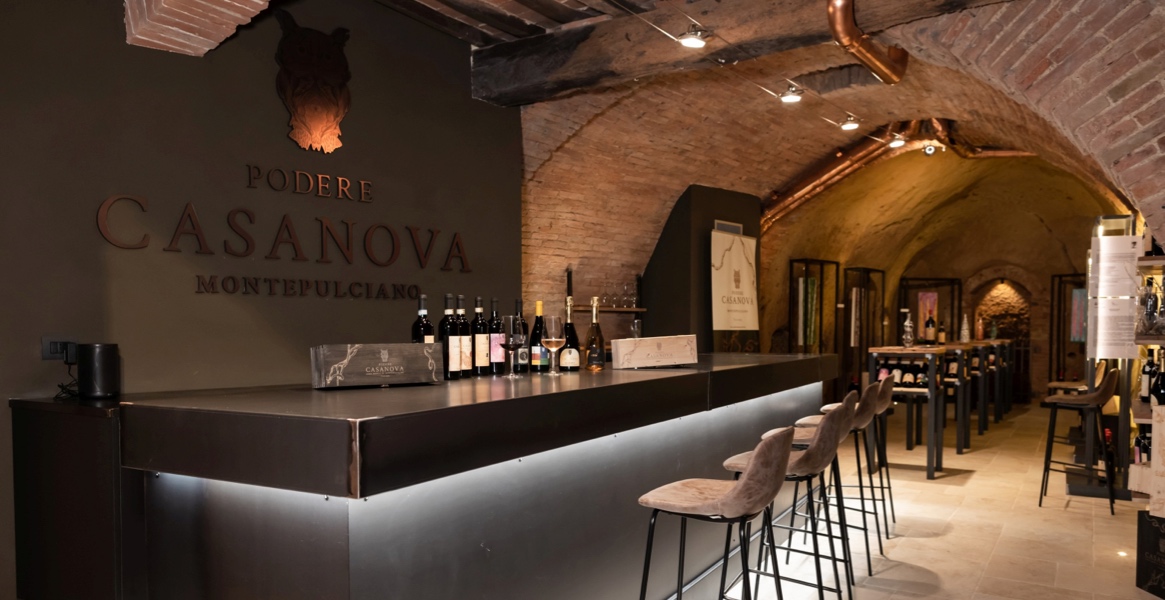
In Montepulciano, wine is an integral part of community life. This becomes clear upon entering the ancient underground cellars—often carved out beneath the buildings of the historic center—where the scent of wood, the dampness of the stone, and the silence of the rooms guide visitors on a journey of discovery through Vino Nobile.
One of the great expressions of Italian winemaking, the Vino Nobile di Montepulciano DOCG is made primarily from Sangiovese, locally known as Prugnolo Gentile. Its character is shaped by the characteristics of the soil, the climatic conditions, and, above all, the choices of those who have dedicated themselves to viticulture for generations.
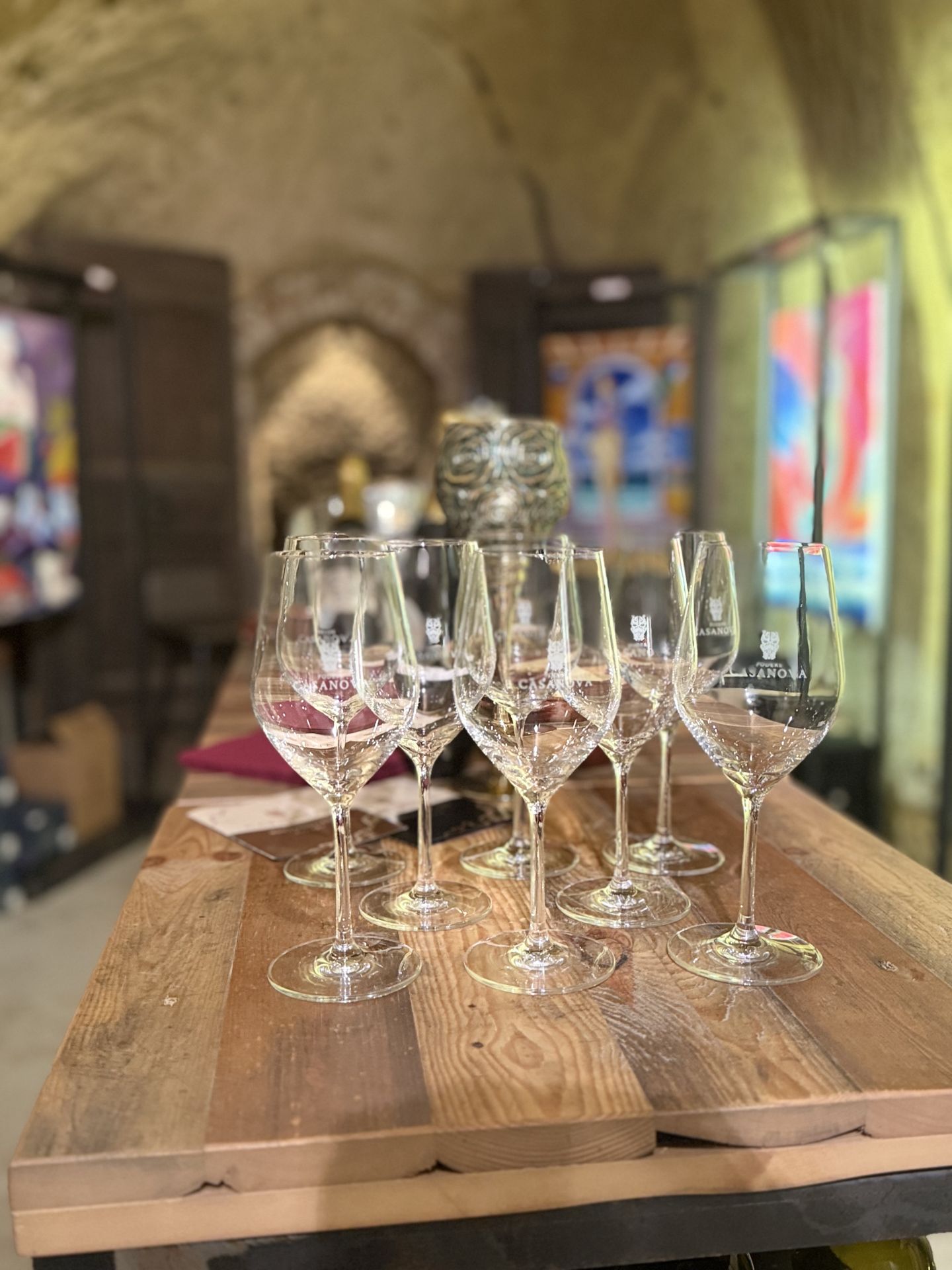
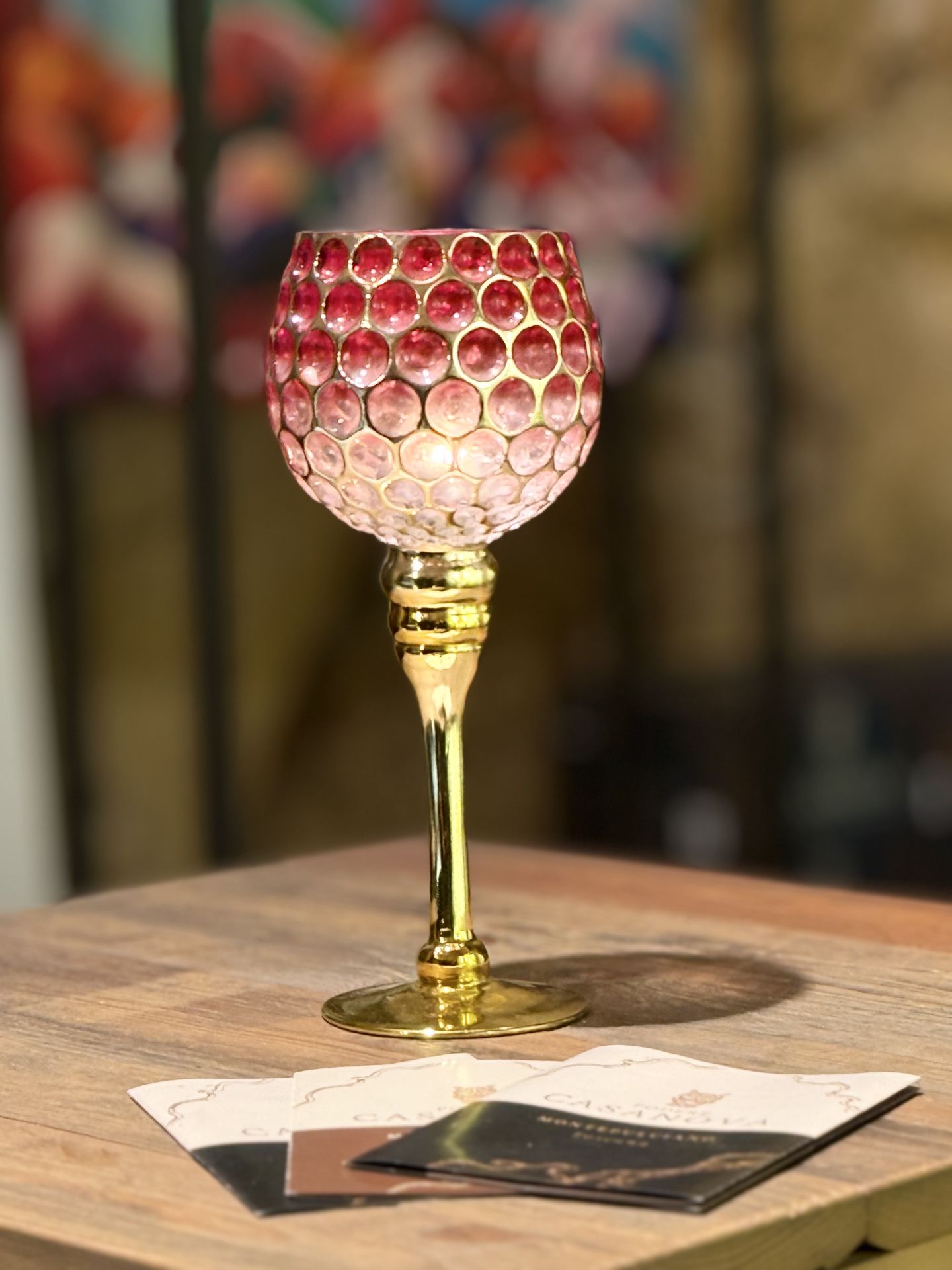
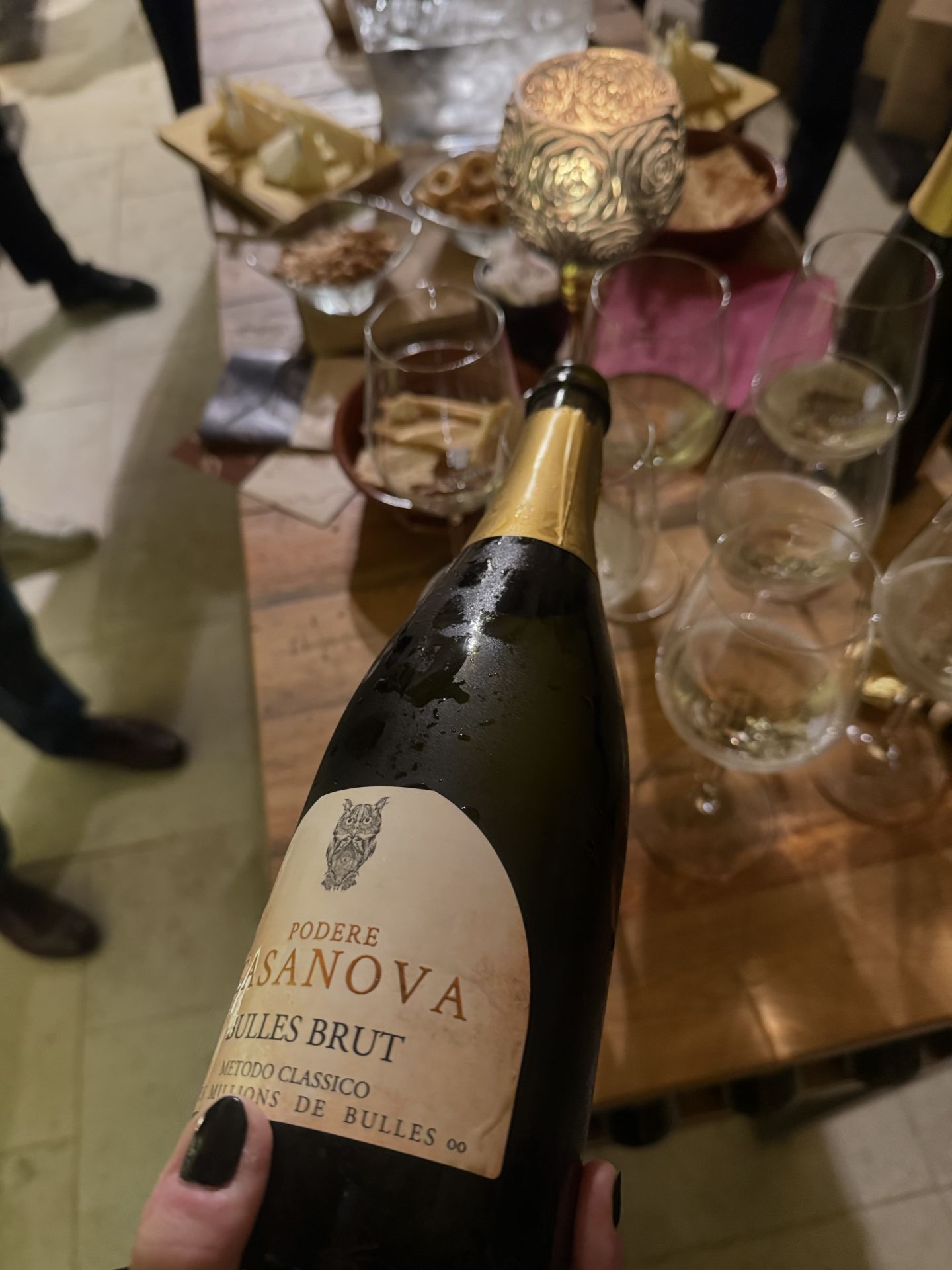
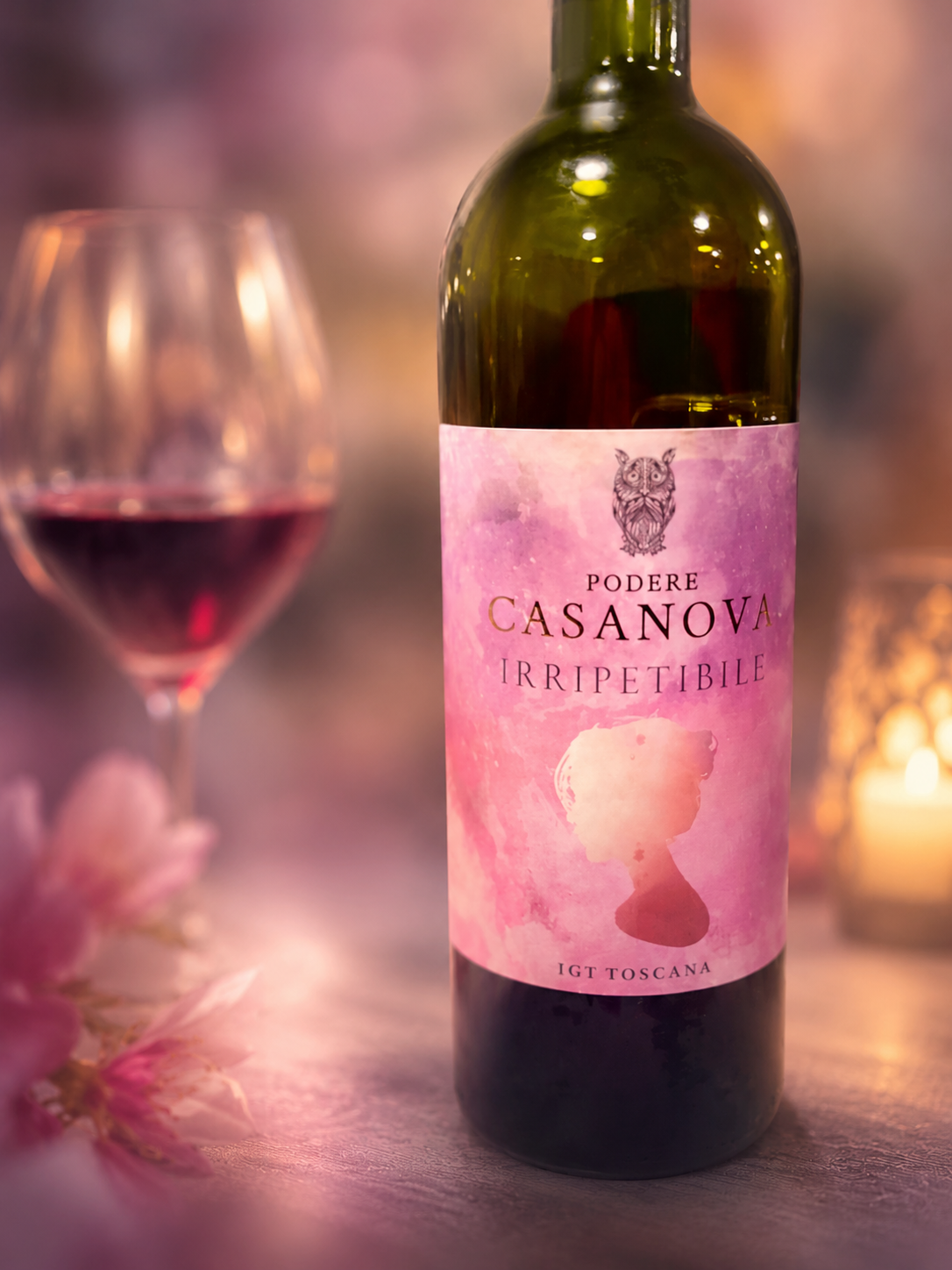
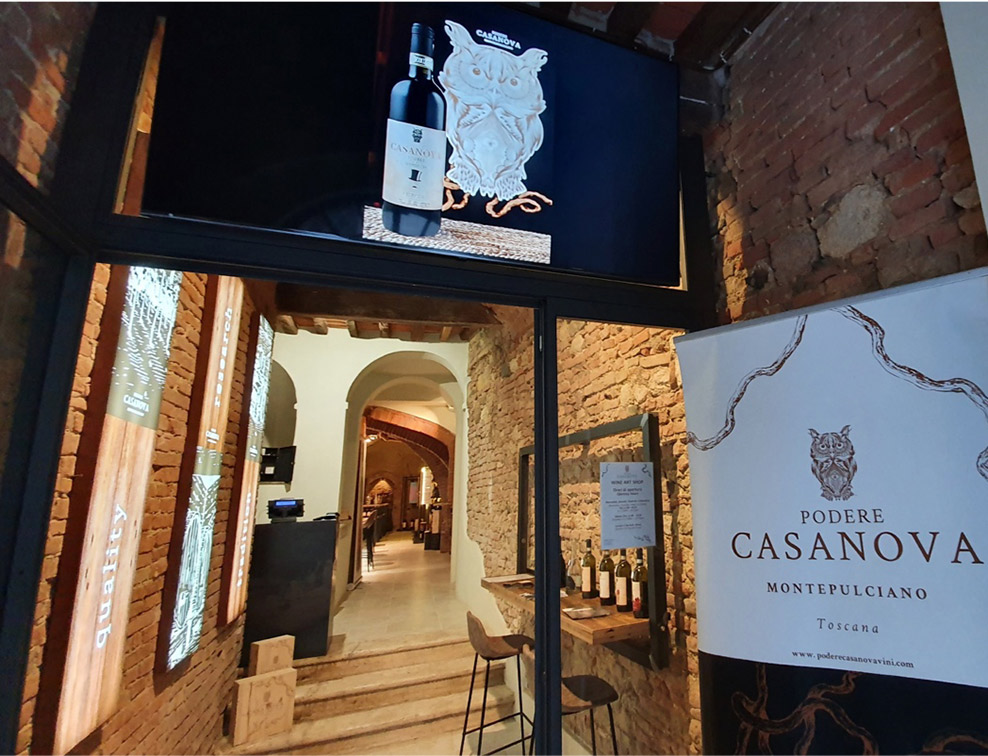
Among the places worth visiting in Montepulciano—even during the Christmas season—is the Wine Art Shop at Podere Casanova, located at Via di Gracciano nel Corso 27, in the heart of the historic center.
It’s an interesting place because of its ability to bring together two great expressions of Italian culture: art and wine. Here, tastings of the winery’s wines are complemented by contemporary art exhibitions, in a historic setting that embraces the creative expressions of the present.
I particularly appreciate this project for its commitment to going beyond the traditional concept of a wine shop, offering visitors a cultural experience as well as a culinary one.
And what better occasion than Christmas to give a gift that has a connection to the local area? A bottle of wine—perhaps chosen after a tasting—carries with it the story of a land, the work of those who cultivate it, and the passion of those who have been able to interpret its unique characteristics.
Initiatives such as that of Podere Casanova also demonstrate just how much the dialogue between art, culture, and winemaking can contribute to promoting “Made in Italy” and fostering high-quality tourism.
In an international market increasingly focused on the origin of products, this ability to highlight these differences is a key driver of growth for Italian companies.
The Taste of Simplicity
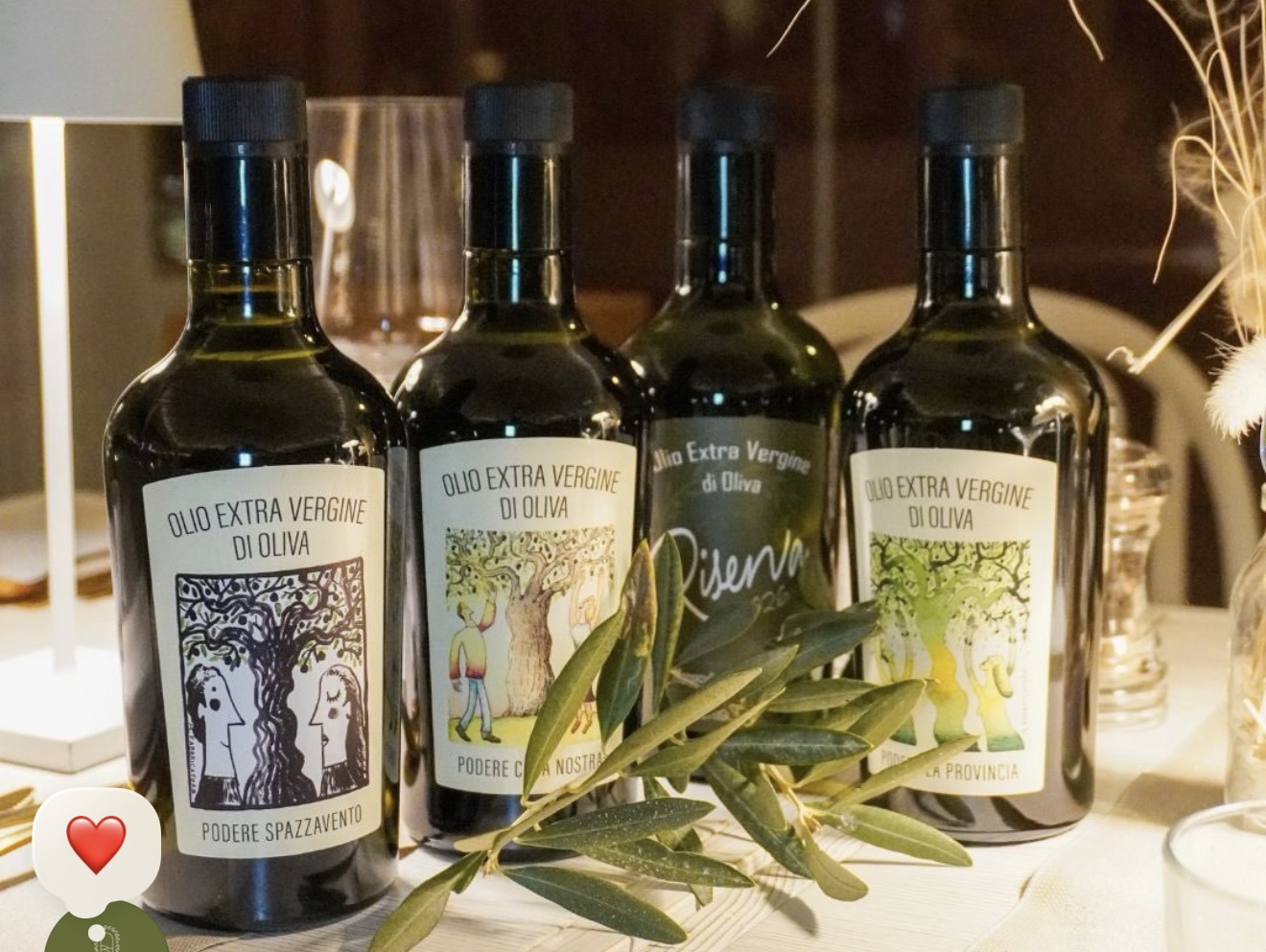
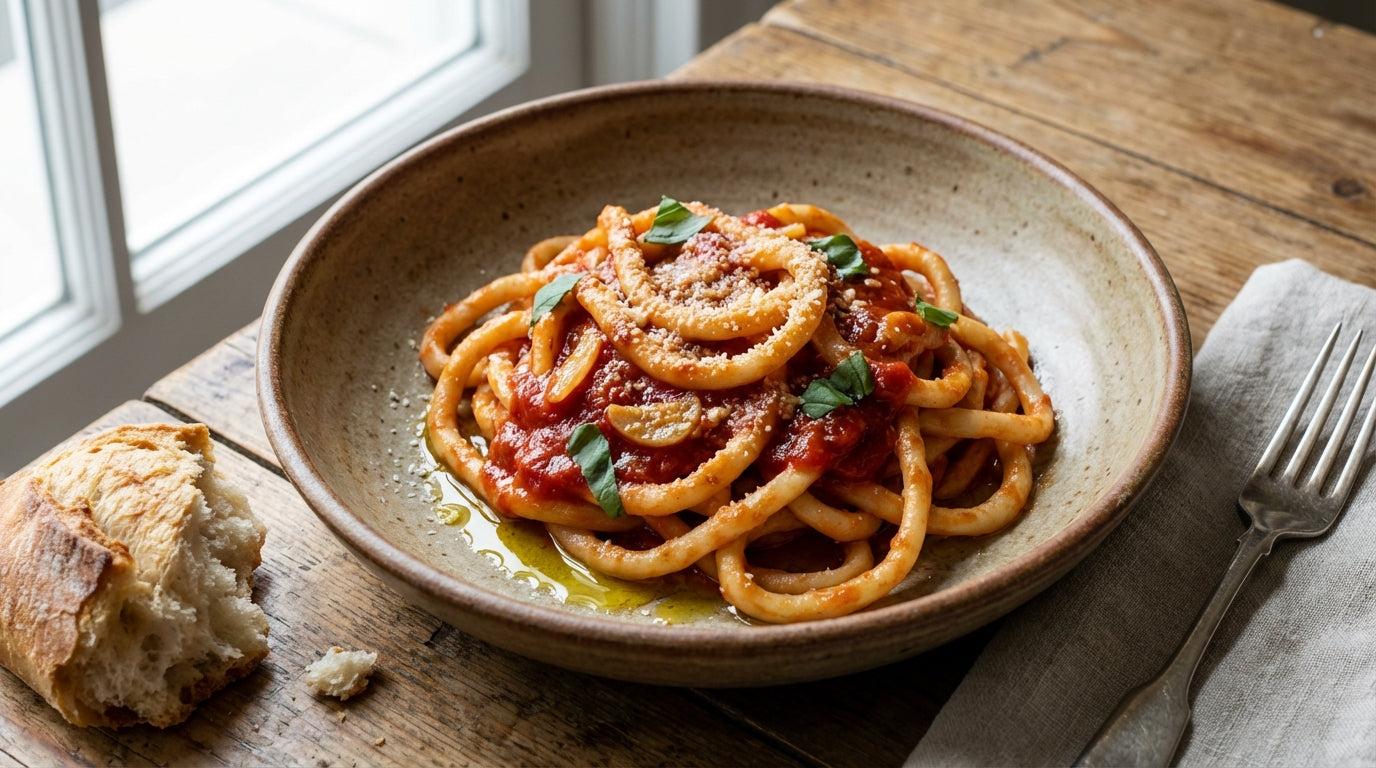
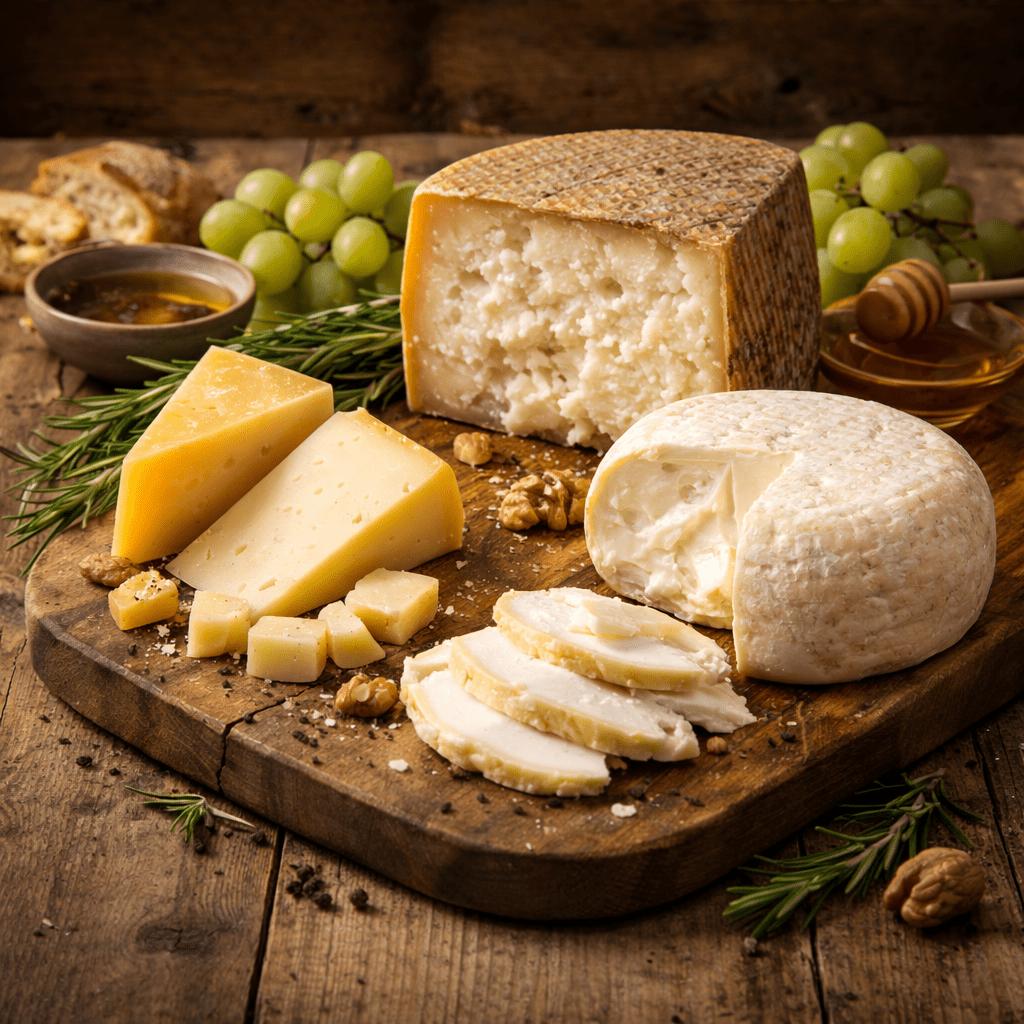
Sitting down to a meal around here means rediscovering the pleasure of a cuisine that maintains a strong connection to rural tradition. Handmade pici, dressed with Valdichiana aglione, Chianina beef, pecorino cheeses, cured meats, and extra-virgin olive oil are part of a culinary culture born from the availability of local ingredients and the ingenuity of those who knew how to use them.
Simple recipes, in which the quality of the ingredients makes all the difference and behind which family traditions, little secrets, and time-honored techniques endure.
Hospitality, too, has embraced this spirit. Old farmhouses converted into lodging, historic mansions, relais nestled among vineyards, and agritourism farms offer the chance to experience local life up close.
More and more often, foreign travelers arrive in Tuscany with the desire to meet producers, visit farms, learn how to make fresh pasta, or understand how a great wine is made. They seek direct contact with that Italian way of life which, viewed from abroad, exerts an extraordinary charm—and whose value we sometimes forget.
“Made in Italy” also takes root here
“Raccontare Montepulciano” offers an opportunity to reflect on just how closely Italy’s cultural heritage is tied to the entrepreneurial spirit of its regions.
Behind a bottle of wine, a restored historic home, an artisan workshop, or a family-run restaurant lie investments, expertise, sacrifices, and people who have chosen to bet on their roots, creating job opportunities and helping to preserve the landscape.
This is the “Made in Italy” I love to share: the one made up of people, stories, and ancient traditions that find a place in the modern world. The one that knows how to conquer international markets without losing its identity.
Montepulciano embodies all these characteristics, and perhaps its greatest charm lies precisely in the balance between its international appeal and its community’s sense of belonging.
When you leave the village, driving once again along those roads that wind through the hills, a pleasant feeling lingers. The memory of a shared glass of wine, a conversation in the wine cellar, the scent of the countryside, and that Tuscan light that shifts color as the hours pass.
Seemingly small things, yet together they make up the memory of a journey and explain, better than many definitions, why Italy continues to be so beloved around the world.