At the UN, “Made in Italy” Stands Its Ground Through Culinary and Wine Authenticity.
At the United Nations in New York, Simonetta Pattuglia, a professor at the University of Rome Tor Vergata, brings the value of Italy’s culinary and wine heritage to the forefront of international debate, focusing on sustainability, cultural identity, and business competitiveness.
How much is “Made in Italy” truly worth when it succeeds in expressing its own identity? And how much, on the other hand, does it risk losing when others appropriate its image, its traditions, and even its language?
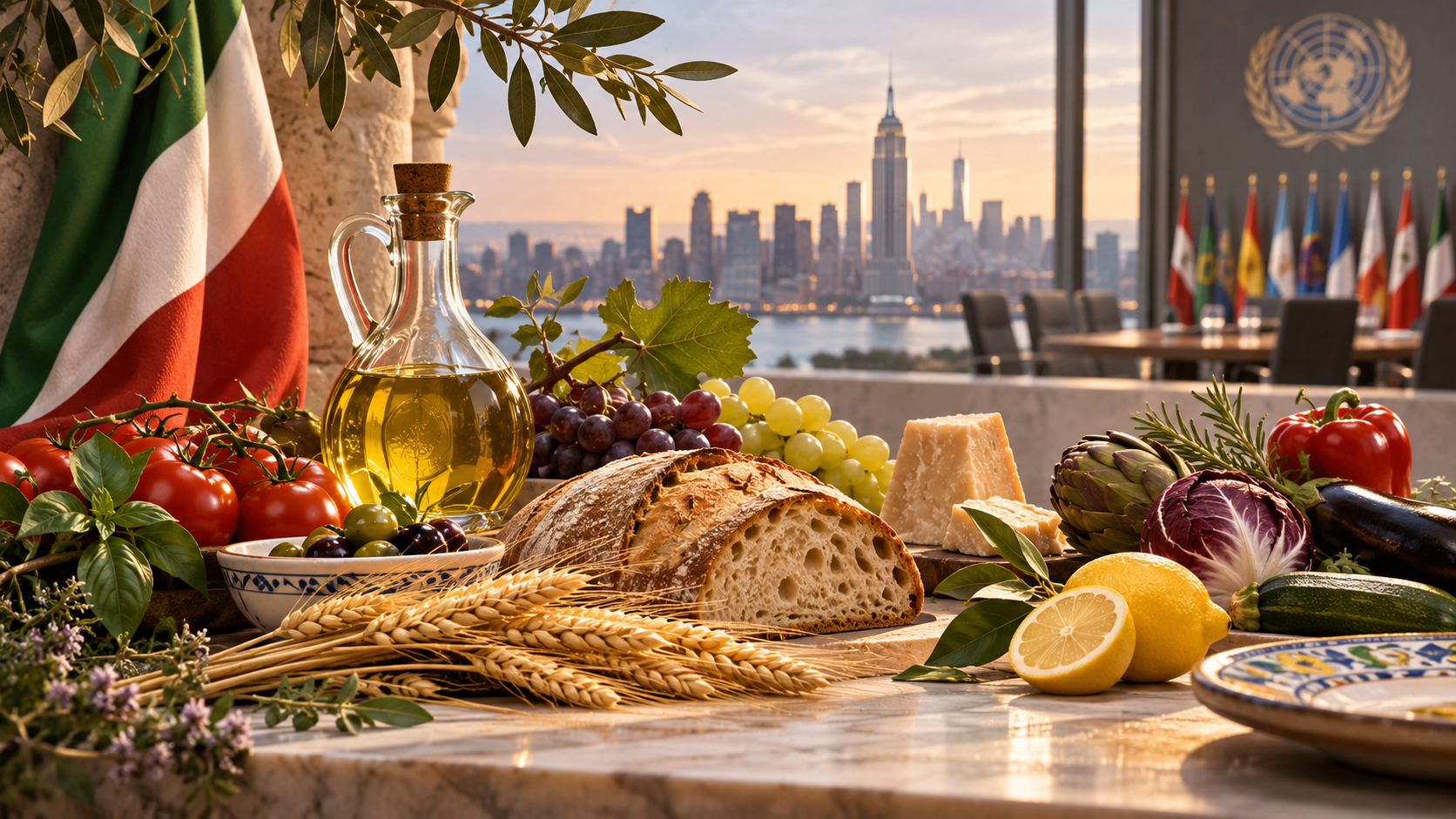
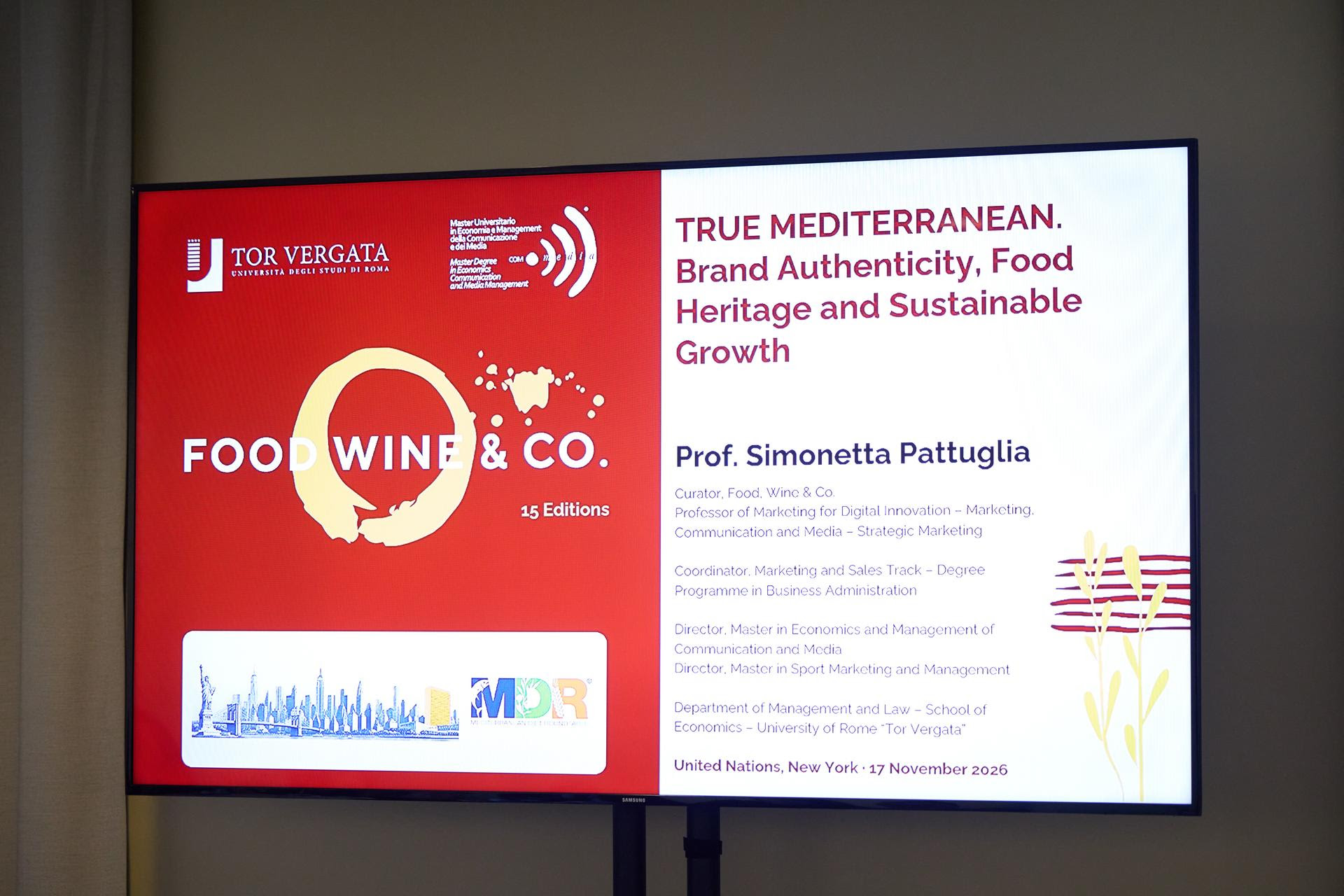
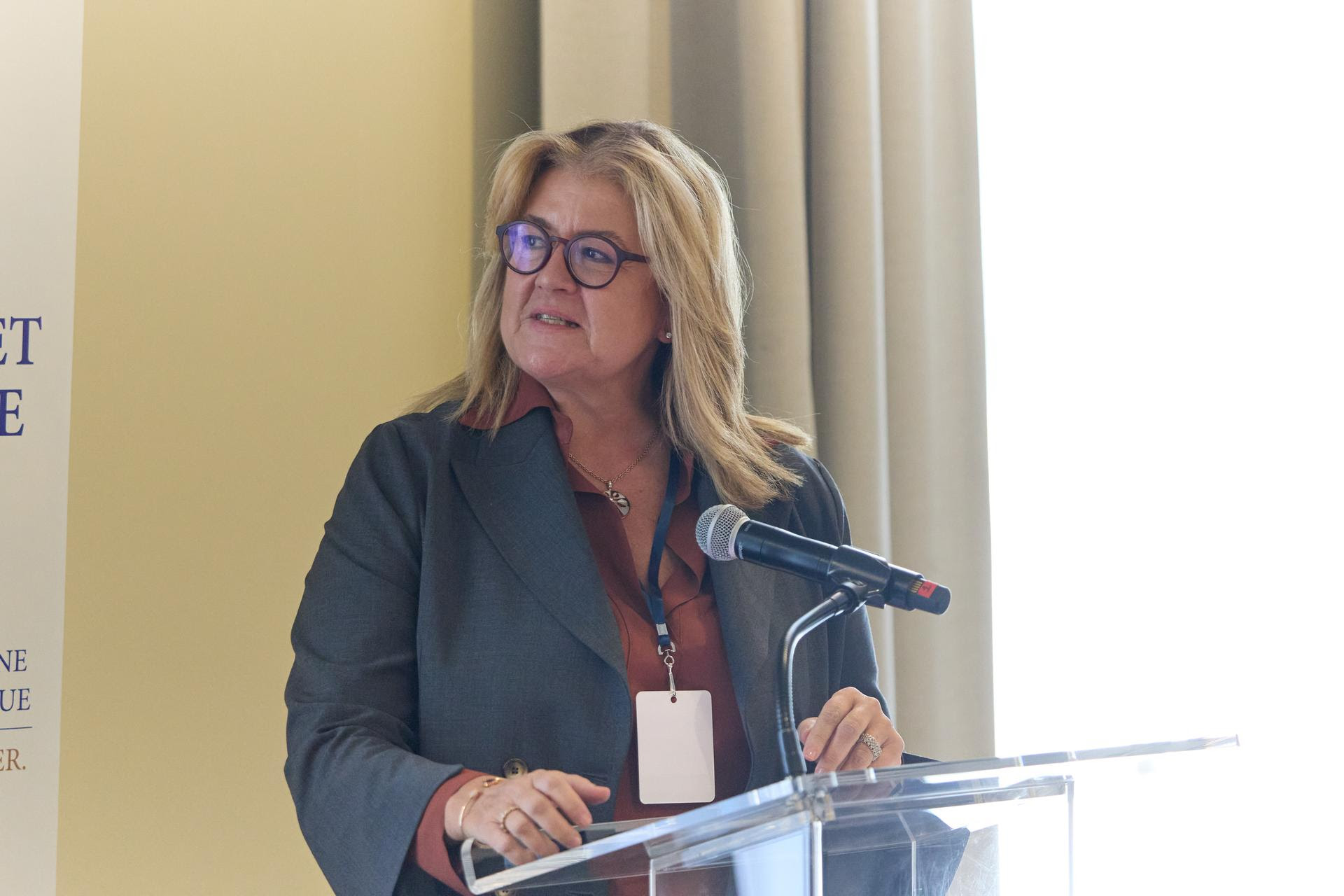
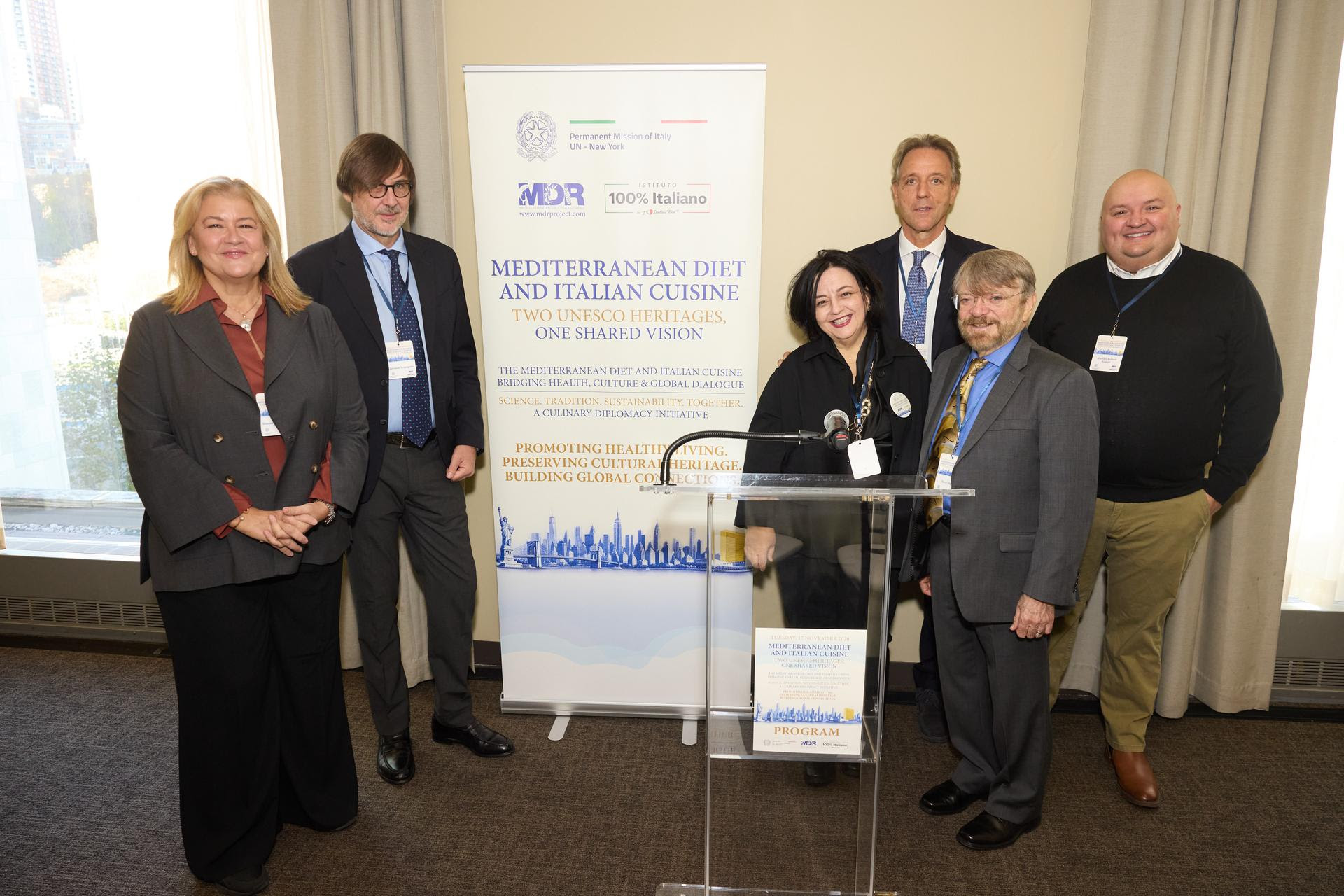
These are questions that concern the future of an entire production system and are being addressed in an international context such as that of the United Nations in New York, where Professor Simonetta Pattuglia, editor of Food, Wine & Co. and director of the Master’s Program in Economics and Management of Communication and Media at the University of Rome Tor Vergata, spoke at the Mediterranean Diet Roundtable® during the 2026 Italian Cuisine Week in the World.
At the heart of her presentation, titled True Mediterranean. Brand Authenticity, Food Heritage, and Sustainable Growth, was the need to rethink the Mediterranean food heritage from a perspective that integrates the economy, health, culture, and environmental responsibility.
Because talking about the Mediterranean Diet today means addressing issues that go far beyond what we put on our plates.
The Right to Eat Well
We live in a society that produces ever-increasing amounts of food, yet for many, eating healthily is becoming a privilege.
According to data from the SOFI 2026 report, presented during the meeting, approximately 2.7 billion people worldwide cannot afford a balanced diet, the cost of which has risen by 46% since 2017.
In 2025, 645 million people were still undernourished, while global meat production has increased fivefold since 1961. This contradiction calls for reflection on the distribution of resources, consumption habits, and the sustainability of current production systems.
“Healthy eating is becoming less and less democratic,” Pattuglia had already observed in the book Food in Italy, published by Guerini in 2024.
In this context, the Mediterranean Diet offers valuable guidance. Seasonality, biodiversity, respect for local production, the prevalence of plant-based foods, and the reduction of food waste have been part of our culture for generations. These are customs that have evolved through our relationship with the land, our knowledge of raw ingredients, and our ability to preserve available resources.
This ancient wisdom now aligns with the most modern scientific insights on human health and the health of the planet.
Italy’s Wealth and the Challenge of Capitalizing on It
The UNESCO recognition of the Mediterranean Diet in 2010 and that of Italian cuisine in December 2025 have established at the international level the importance of a heritage rooted in the history of communities, the diversity of regions, and the transmission of knowledge.
But cultural prestige alone is not enough to guarantee a strong position in the markets.
According to data presented in New York, the broader Italian agri-food sector is worth 736 billion euros and employs 5.9 million people. In 2025, the sector’s exports reached a record 73 billion euros, while Italy accounts for 20% of global wine production.
Despite these impressive figures, however, a weakness emerges. Italian brands account for 19% of the world’s top 100 food brands, but represent just 7.4% of their total value.
We know how to produce well; we possess extraordinary expertise and a wealth of regional heritage that is difficult to replicate. However, we do not always succeed in translating all of this into adequate economic recognition.
This is an issue that involves businesses, but also institutions and the world of communications. We need tools capable of supporting producers in international markets, protecting their work, and helping consumers understand what distinguishes an authentically Italian product from an imitation.
“Italian Sounding” and the Price of Imitated Italianness
The case of the United States is particularly significant, where the allure of Italy continues to fuel a parallel market of products that evoke our country without actually originating there.
By 2025, “Italian Sounding” had reached an estimated value of 40 billion euros in the U.S. market, compared to 7.5 billion euros in actual Italian agri-food exports.
For every euro of authentic product exported, more than five euros are spent on imitations.
Behind these numbers are companies, families, artisans, farmers, and entire communities who risk seeing the fruits of their labor devalued, while others benefit from the reputation Italy has built over time.
Further complicating the picture is U.S. tariff policy. In the first half of 2026, Italian agri-food exports to the U.S. fell by 11%, despite a slight increase in the sector’s overall exports.
It is therefore essential to strengthen policies protecting the origin of products, invest in traceability, and promote greater awareness of Italian products among the international public.
The battle against “Italian Sounding” is certainly a commercial one, but it is also deeply cultural.
Authenticity must be demonstrable
“A brand is no longer what we say it is, but what we can prove.”
With these words, Simonetta Pattuglia concluded her speech at the United Nations, urging companies to build a reputation based on concrete facts.
The origin of raw materials, the legality of supply chains, artisanal skills, certified sustainability, attention to consumer well-being, and social responsibility become an integral part of a brand’s value.
Technology can also make an important contribution. Digital traceability tools, QR codes, and the ability to access information about production processes allow consumers to better understand the story behind the products they choose.
Equally interesting is the shift from the product to the experience. Consider wine tourism, visits to farms, meetings with producers, and the chance to experience firsthand the places where our culinary treasures are created.
It is precisely through these opportunities that Italy’s food and wine heritage can generate new economic opportunities while simultaneously fostering regional growth.
From University Research to International Dialogue
The event in New York represents another milestone for Food, Wine & Co., a project launched in 2012 at the University of Rome Tor Vergata to foster dialogue between research, education, and the business world.
Over the course of fifteen editions, it has involved more than 5,050 participants, over 380 speakers, and 95 companies, through masterclasses, scientific publications, and international meetings. The initiative will continue in the spring of 2027 with the two-day 15th edition.
Bringing these issues to the United Nations means recognizing that food and wine play a role that transcends the boundaries of commerce and extends to quality of life, the conservation of resources, and relations between countries.
For Italy, this is a responsibility, but also a great opportunity.
Made in Italy cannot rely solely on the reputation it has earned in the past. It needs forward-looking policies, investments, training, and an international strategy worthy of its heritage.
Our strength lies in our people, in the knowledge passed down through generations, in the extraordinary diversity of our regions, and in that culture of craftsmanship that the world continues to admire.
Preserving all of this means securing a future for Italian businesses, enabling new generations to carry on this legacy, and restoring the word “authenticity” to its deepest meaning.