At the agritourism farm A Casa Nostra, four selections of organic extra virgin olive oil tell the story of the connection to the land, family heritage, and the true value of quality. A journey into “Made in Italy” through farming expertise and the passion of the younger generations.
Some families entrust their history to photographs; others preserve it in the pages of a diary. In the hills of Pistoia there are those who continue to write their story through olive trees, following the rhythm of the seasons and reaping the fruits of ancient knowledge.
This is the story of“A Casa Nostra” Farmstay, where extra virgin olive oil becomes the story of a sense of belonging, a way of life, and a legacy that looks toward the future.
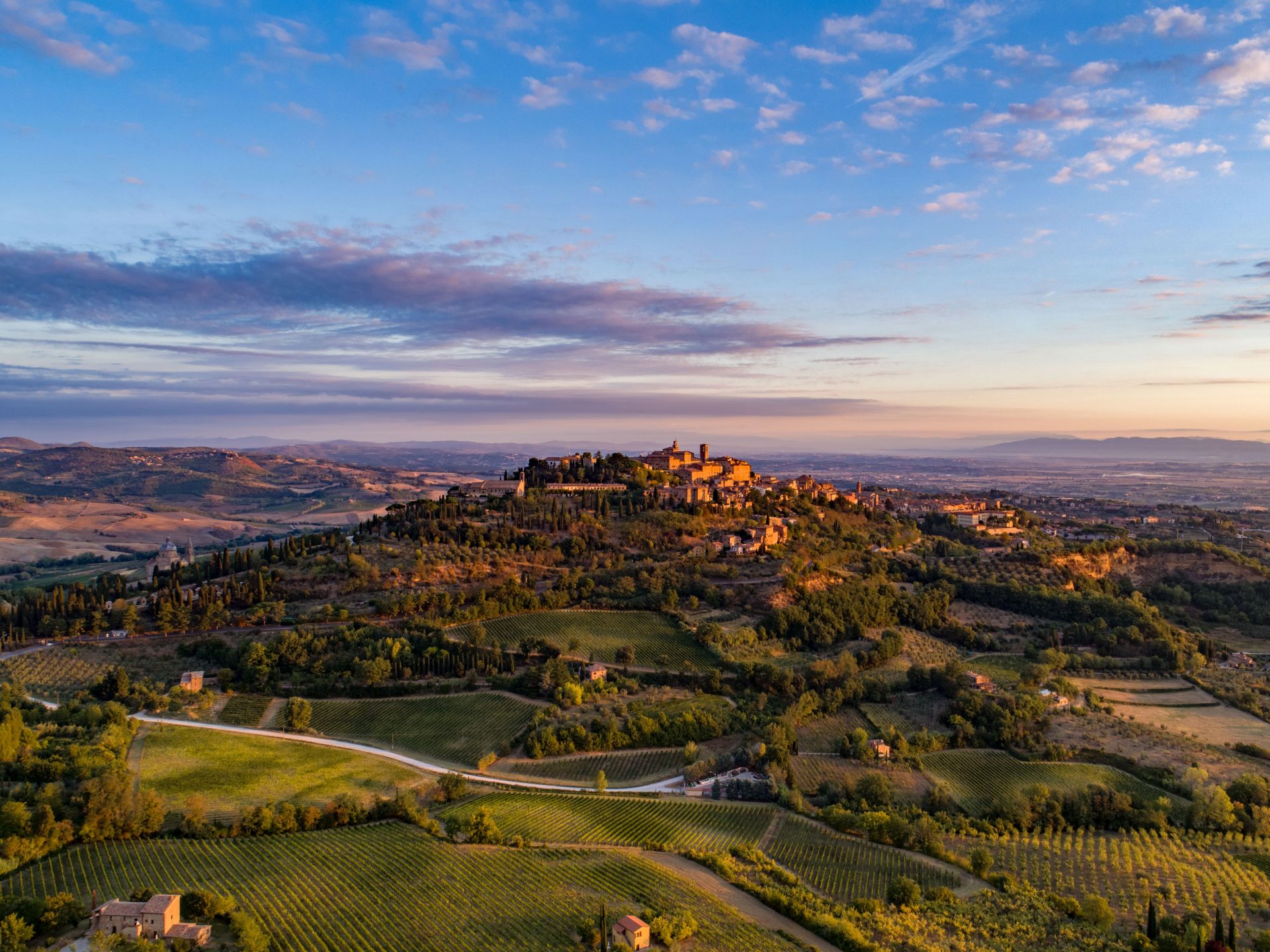
Pistoia, known internationally for the excellence of its nursery industry, also possesses an olive-growing heritage that deserves greater attention on the national food and wine scene.
A perhaps less celebrated but deeply authentic side of Tuscany, where the rural landscape preserves the traces of an agricultural culture that has spanned generations.
The olive trees, with their silvery foliage and trunks shaped by time, hold the memory of the men and women who built their lives around the countryside.
It is within this context that the story of the Belli family unfolds.
The Agriturismo ‘A Casa Nostra’ is nestled in the green hills of Pistoia, 5 minutes from the Pistoia highway exit and halfway between Florence and Montecatini Terme. The property offers authentic Tuscan cuisine, two private parking lots for guests, three small indoor dining rooms, and a large outdoor area—both covered under a pergola and out in the open on the lawn.
The Legacy of Our Grandparents, Looking Toward the Future
Not far from the city, along the Cammino di San Jacopo, the Agriturismo A Casa Nostra represents a harmonious blend of agriculture, gastronomy, and hospitality.
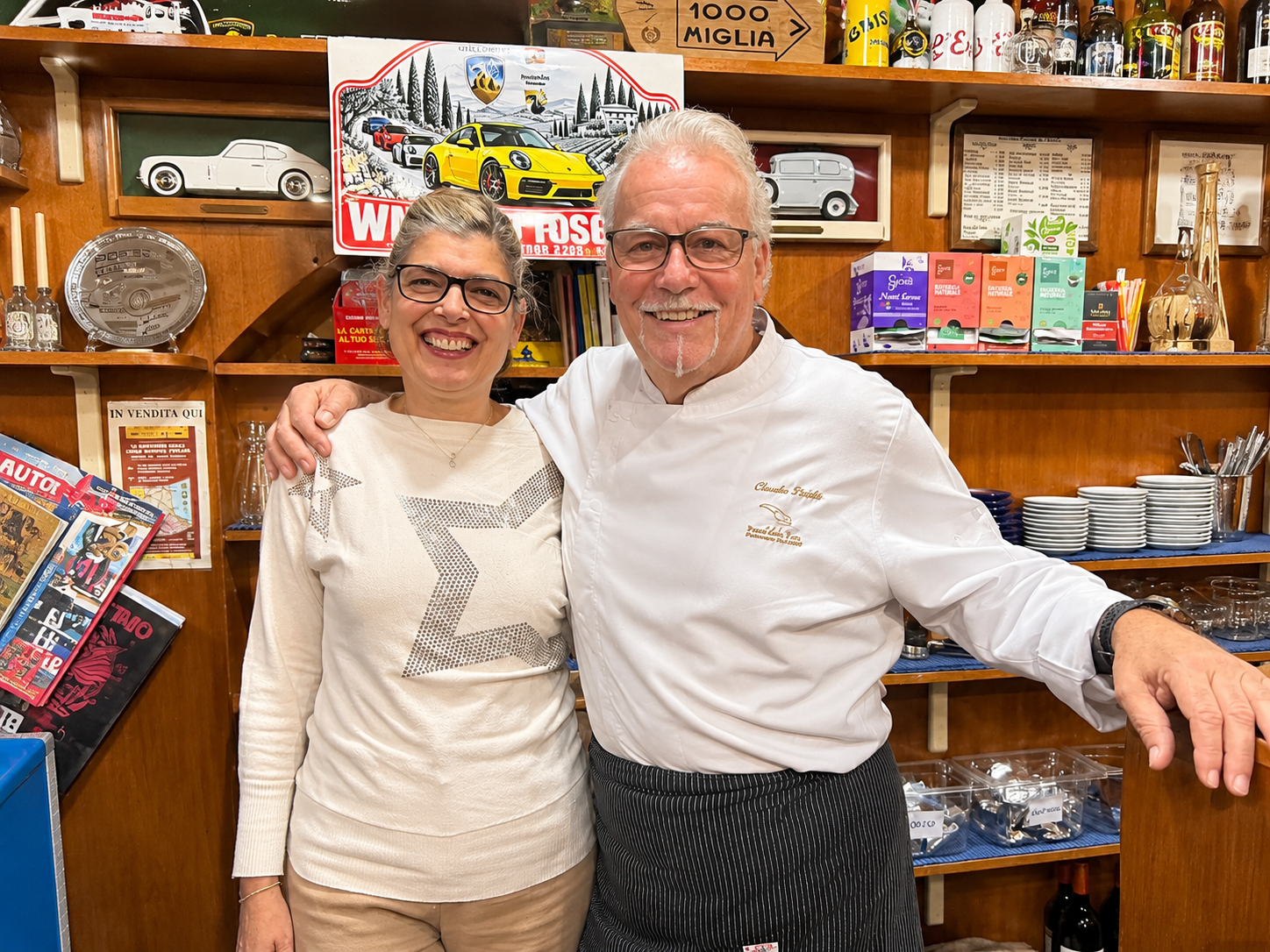
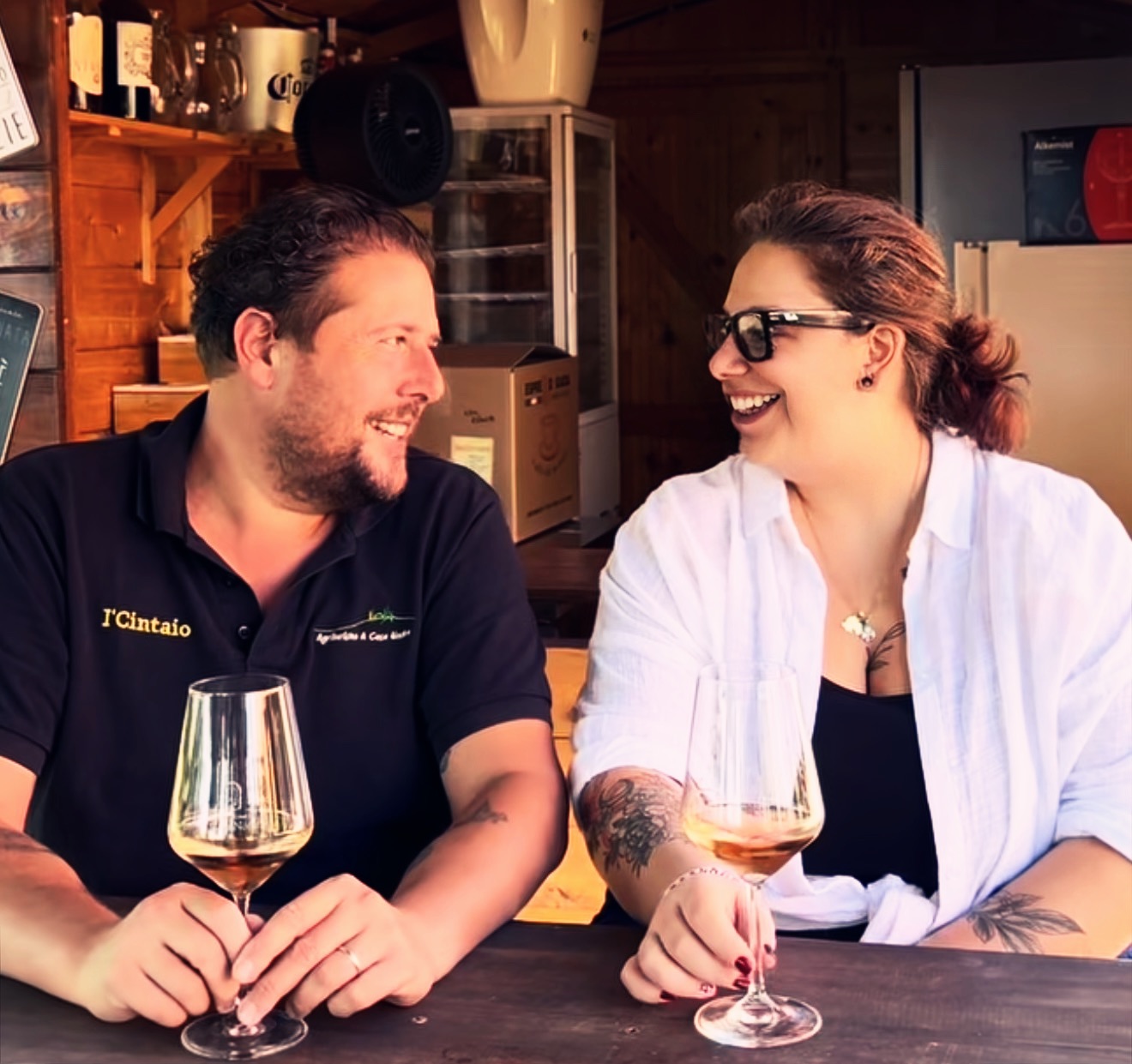
Davide Belli —together with his wife Francesca and family—is carrying on an entrepreneurial project inspired by his grandparents’ teachings, rekindling that connection with nature that was once a part of everyday life.
Even the name chosen for the agritourism reflects this philosophy. “A Casa Nostra” evokes the joy of sharing, the intimacy of relationships, and the spontaneity of gathering around a table.
Continuing the work of previous generations, however, requires more than simply staying true to traditions. It means knowing how to reinterpret them, investing in knowledge, improving production processes, and finding new ways to communicate the value of what is produced.
The production of organic extra virgin olive oil is one of the most significant aspects of this journey.
Four Oils, A Geography of Flavor
We’re used to talking about terroir when discussing wine, but much less so when it comes to olive oil. Yet even in olive growing, soil composition, exposure, microclimate, cultivars, and the timing of the harvest all contribute to defining the product’s character.
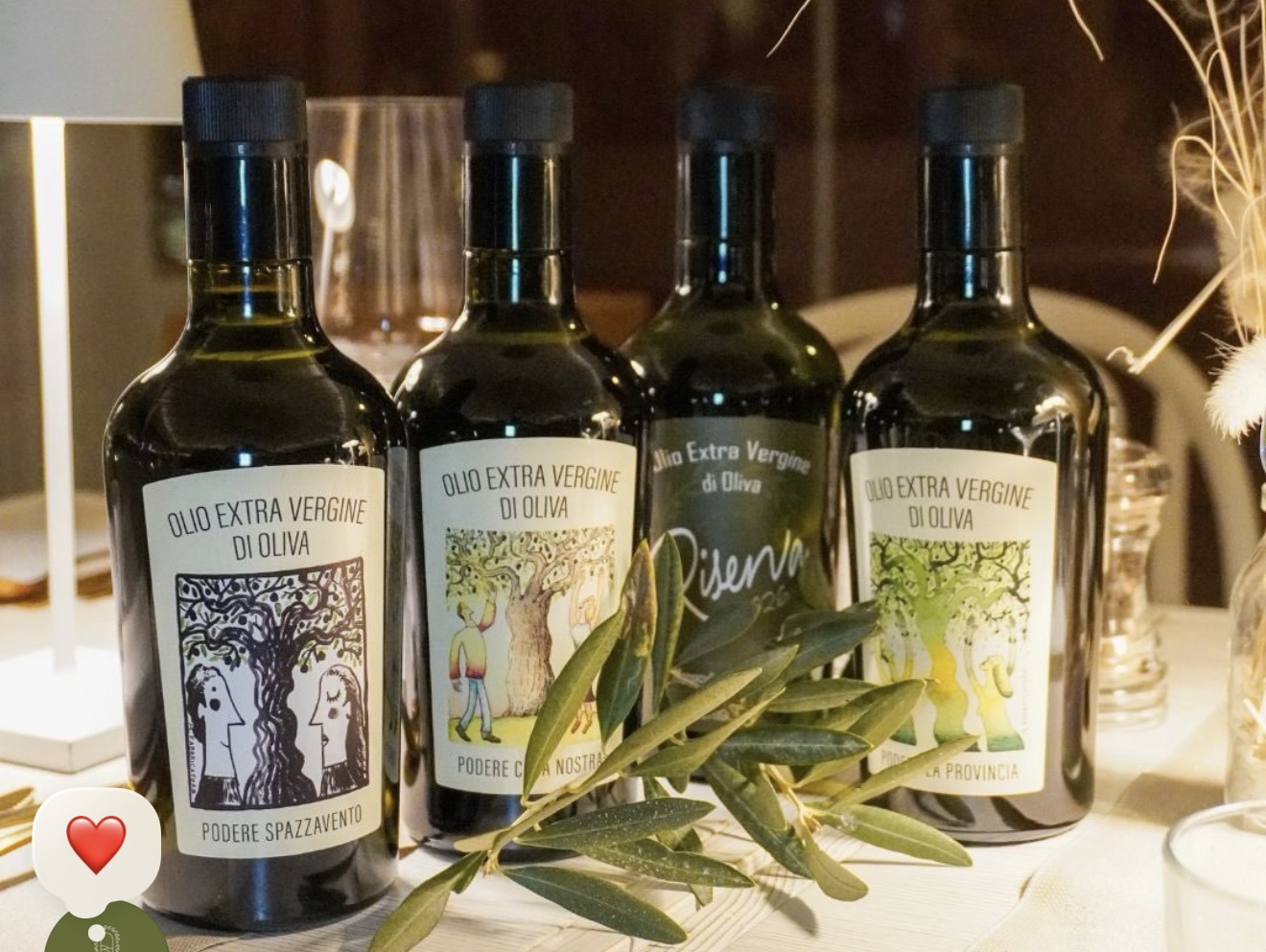
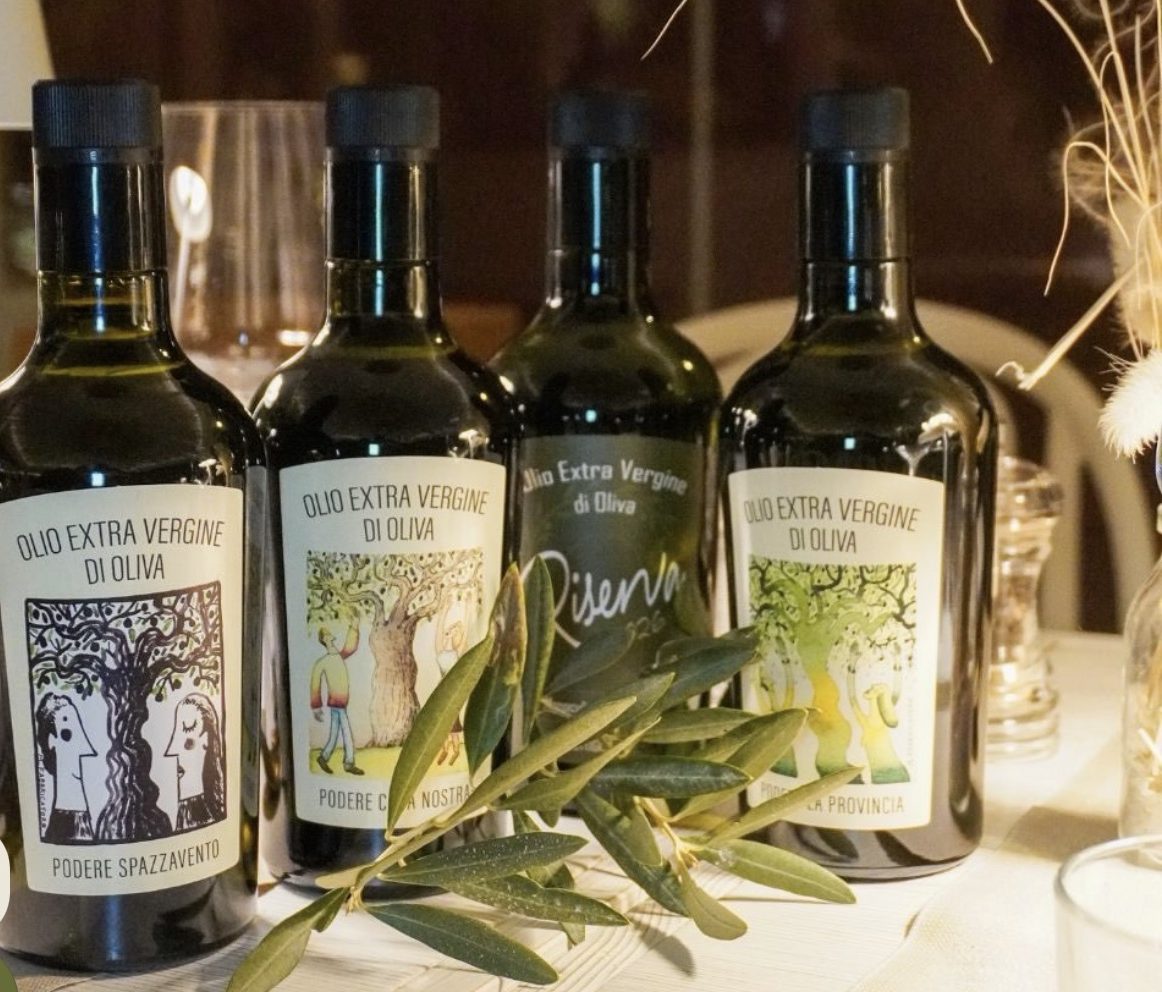
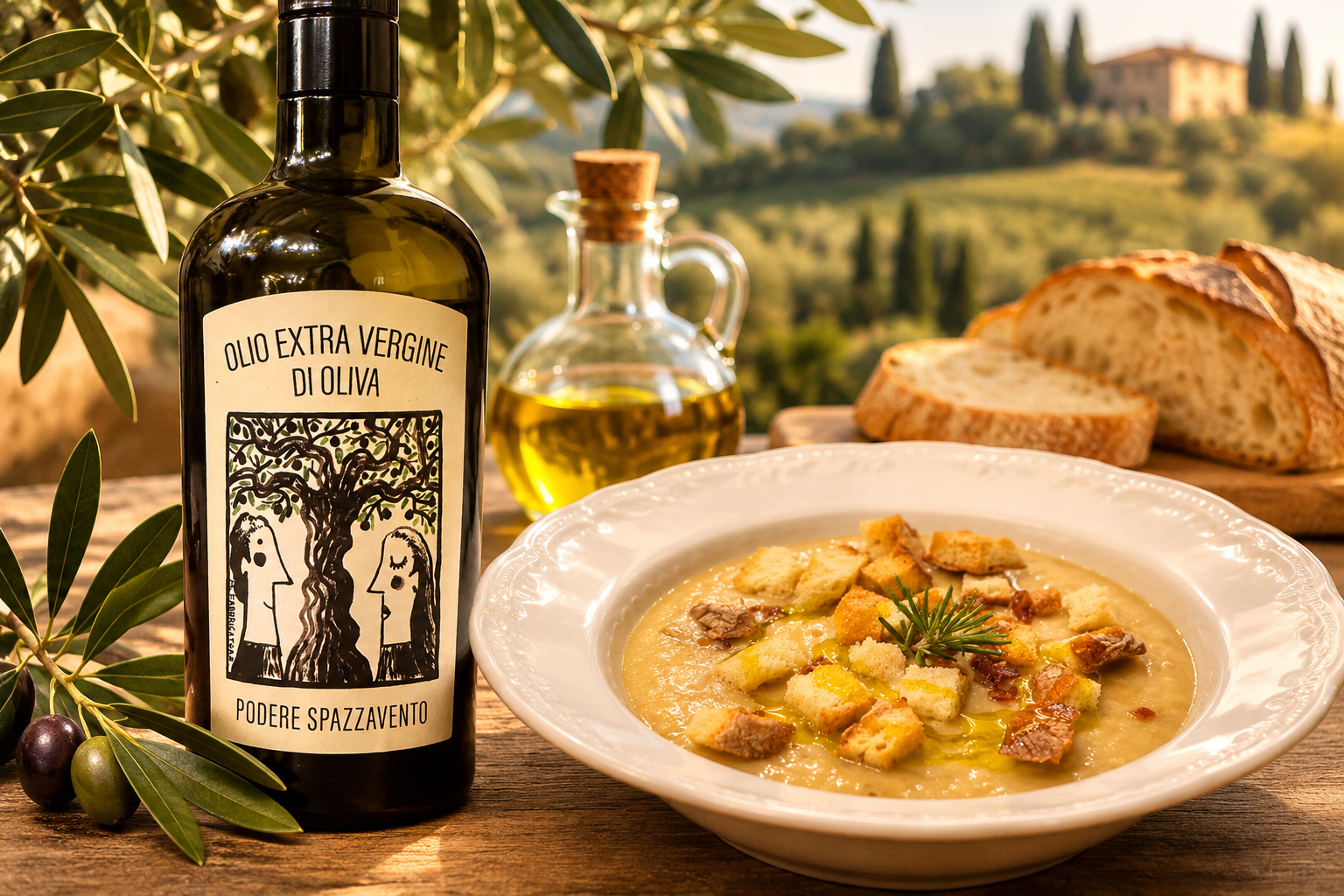
This is why the company has chosen to offer four different selections of organic extra virgin olive oil: Podere Casa Nostra, Podere La Provincia, Podere Spazzavento, and La Riserva.
This selection invites you to discover olive oil through its various expressions, moving beyond the habit of viewing it as merely a condiment.
Podere Casa Nostra is the result of blending three cultivars representative of Tuscan olive cultivation: Leccino, Frantoio, and Moraiolo.
According to the company’s profile, the south and southwest exposure of the olive groves promotes early ripening of the olives, which are harvested as early as October.
On the nose, it stands out for a distinct fruity aroma, accompanied by hints of almond, while on the palate a pronounced spicy note emerges, which becomes progressively more pronounced as you taste it.
Podere La Provincia and Podere Spazzavento expand the story of the farm’s productions, offering further opportunities for comparison and discovery.
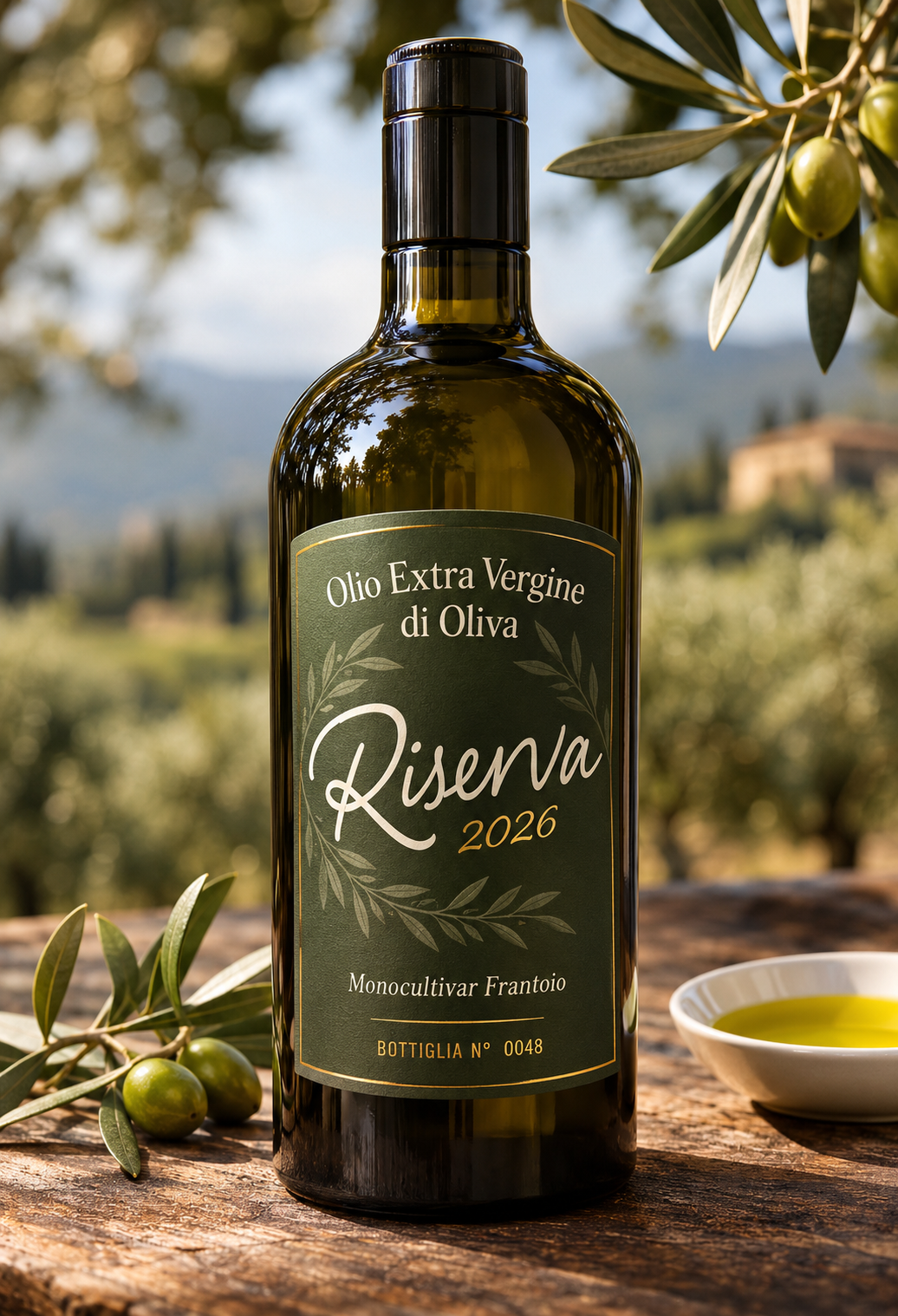
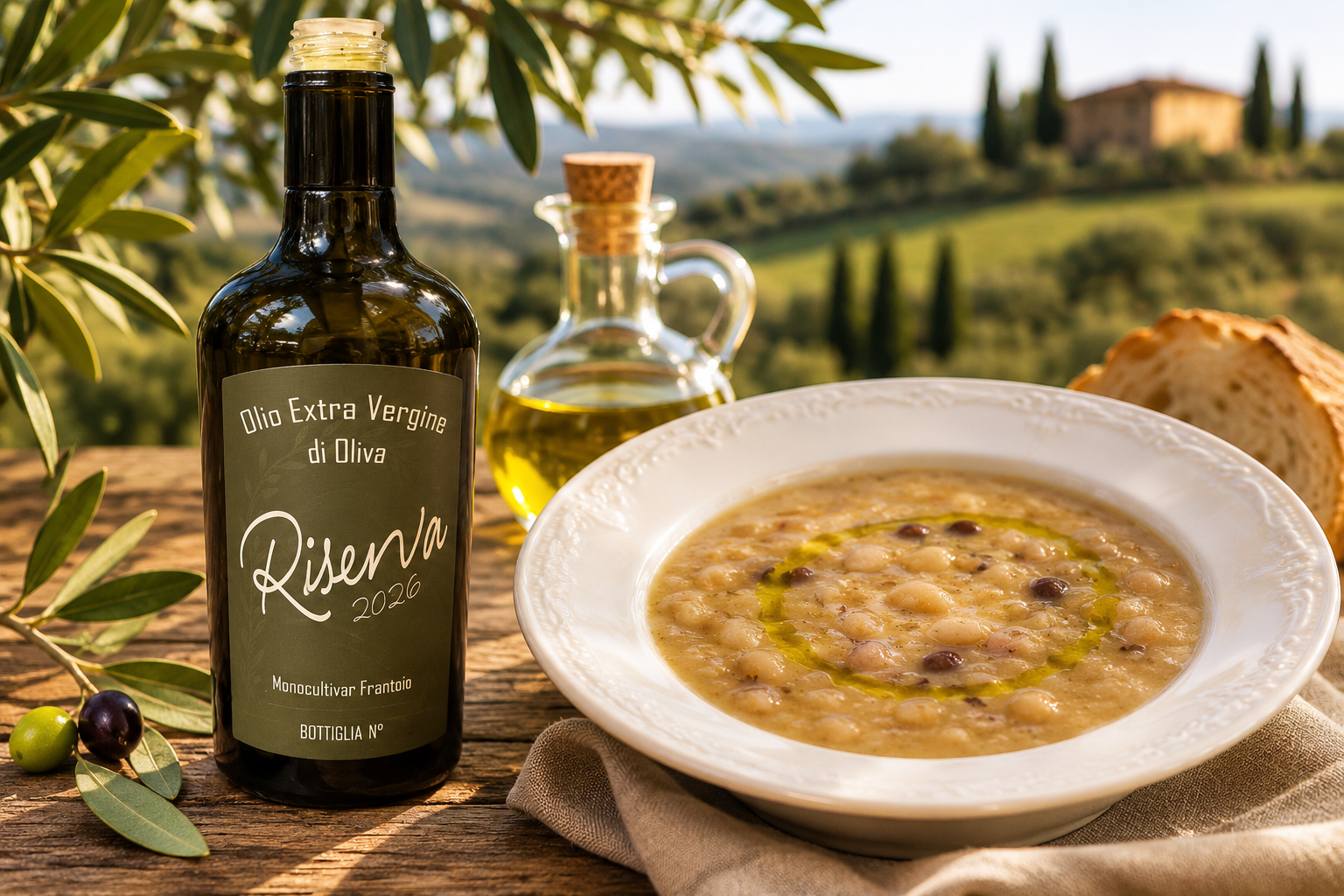
La Riserva 2026, a single-varietal Frantoio olive oil, deserves special attention, as it is made from one of the most representative varieties of the Tuscan olive oil tradition. This selection allows one to appreciate the unique characteristics of a single cultivar, and the numbered bottles serve as an additional distinctive feature.
When Art Meets the Land
The labels also catch the eye—small illustrated stories that give the bottles a distinctive visual identity.
In the depictions of Podere Casa Nostra and Podere Spazzavento, the olive tree takes center stage, accompanied by human figures that suggest an intimate connection with nature.
There is a particular delicacy in these images, a sensitivity that evokes a sense of roots, affection, and generational continuity.
Art thus meets rural culture, adding an aesthetic and emotional dimension to the gastronomic experience. It is a language through which the product acquires a personality that goes beyond its contents.
This, too, is Made in Italy: the ability to combine manufacturing expertise, beauty, and artistic sensibility, making a story recognizable through its details.
Nights at the Oil Mill and the True Price of Quality
There is a side to olive oil production that consumers rarely know about. It is a world of waiting, sleepless nights, sacrifices, and meticulous care that accompany every stage of the process.
We discuss this with Davide Belli, whose words reveal a deep awareness of the responsibility that comes with the producer’s craft.
“Behind every oil, every pressing, there is sacrifice. There are nights spent waiting for the good, filtered oil to come out. You have to pay attention to many details, such as temperature and storage, so that the product achieves the highest quality. All of this, inevitably, comes at a price. Labor costs money, the mill costs money, and the sacrifice itself has a cost. You should be wary of anyone offering olive oil at excessively low prices.”
This is a point worth exploring further, especially in a market where price is often the primary purchasing criterion.
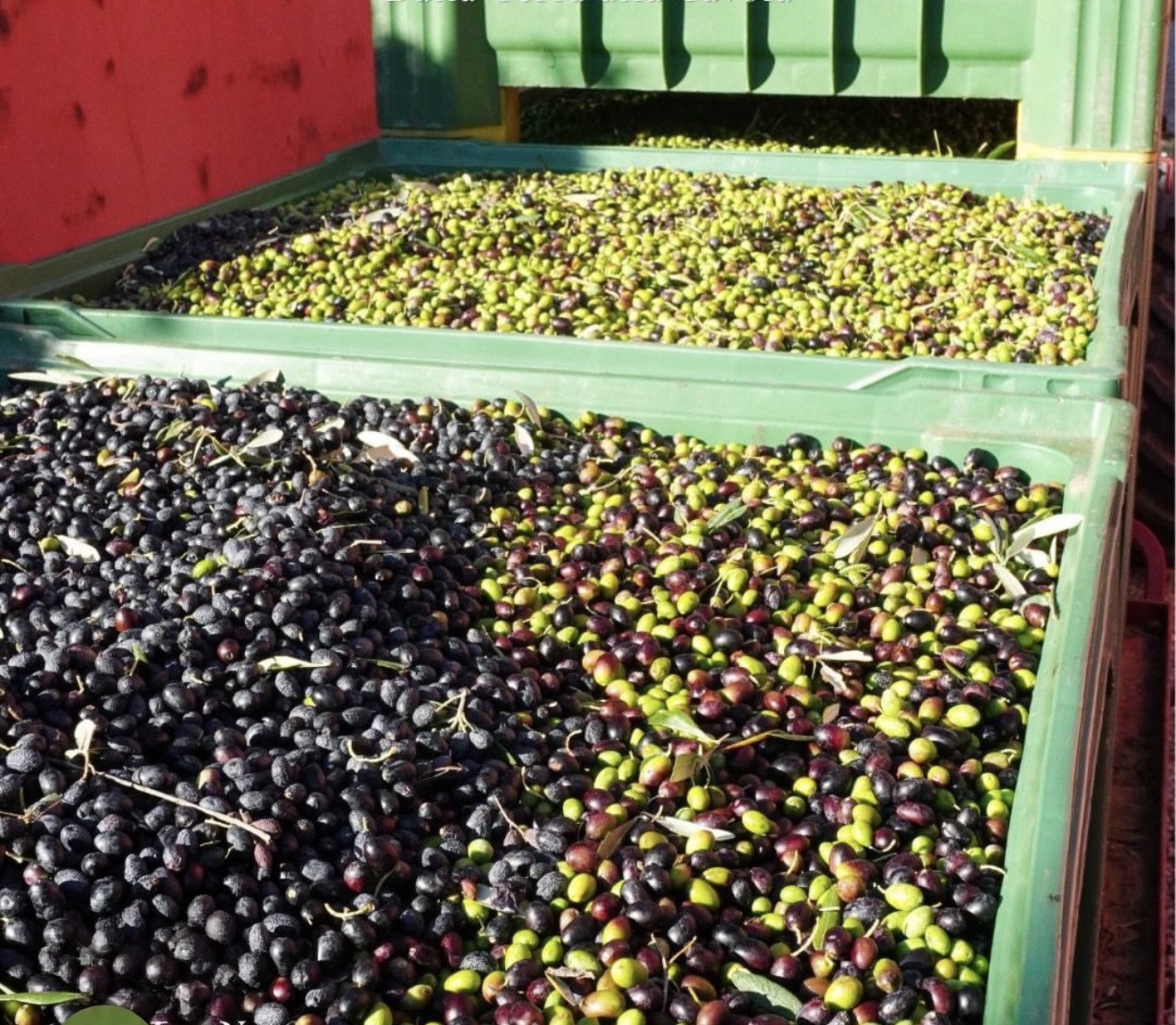
Behind a high-quality extra virgin olive oil lie months of work: pruning the trees, managing the olive groves, choosing the right time to harvest, transporting the olives to the mill, processing them, and storing them properly.
It’s not enough to simply have good raw materials. It is necessary to preserve its characteristics throughout the entire process, limiting oxidation and protecting the oil from exposure to light, heat, and oxygen.
Of course, a high price is not in itself a guarantee of excellence. However, when it seems difficult to reconcile with the costs of careful production, it is worth questioning the origin of the olives, the supply chain, and the processing methods.
This issue also concerns the economic sustainability of farms. Recognizing fair compensation for producers means enabling businesses to continue investing, cope with climate uncertainties, preserve the landscape, and ensure a future for future generations.
The true value of an olive oil is not measured solely by its price, but by everything that price should reflect.
At the Table: Rediscovering the Culture of Olive Oil
The culinary experience offered by the agritourism property allows guests to appreciate just how much extra virgin olive oil can influence the identity of a dish.
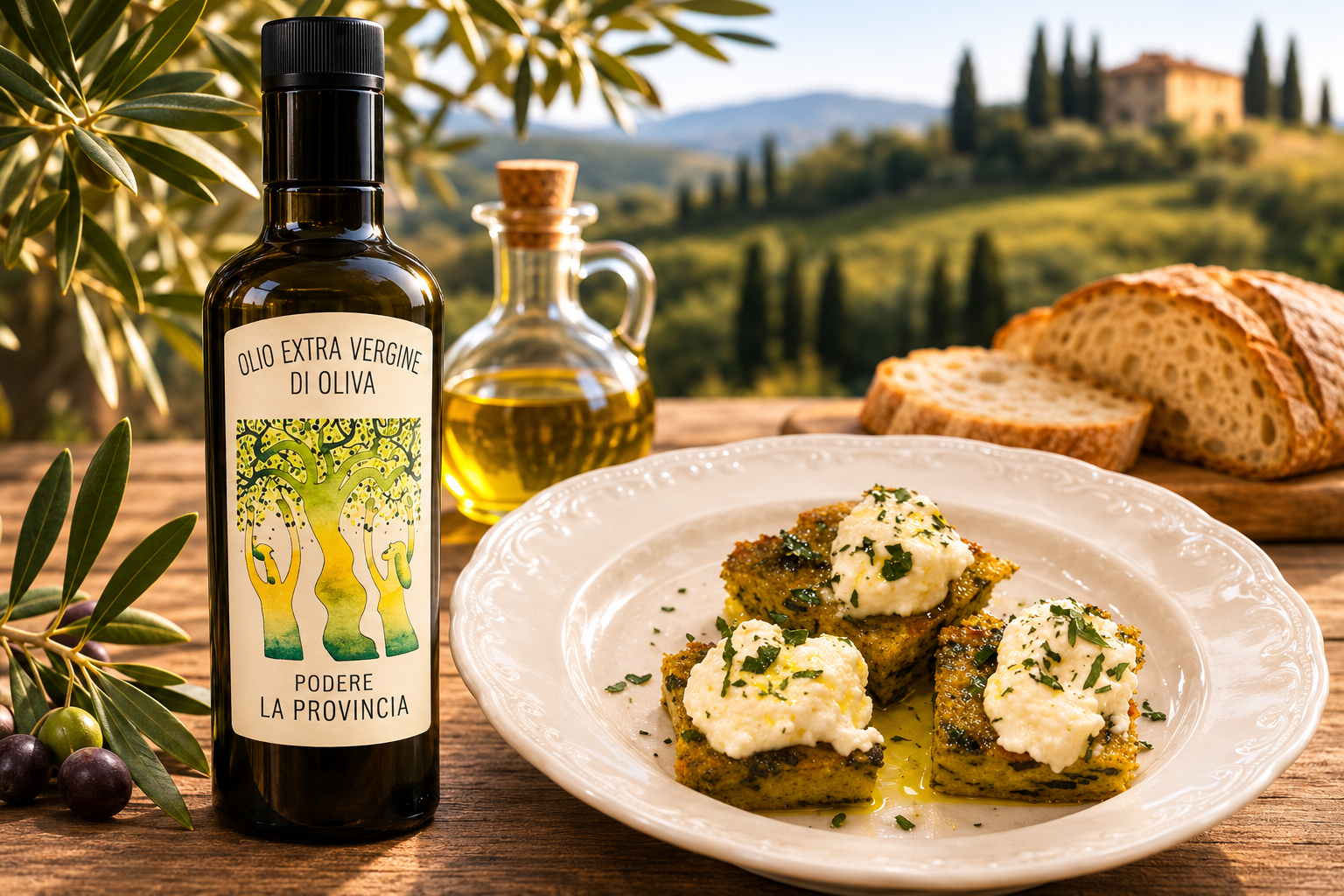
A prime example is the crostoni with Pistoia-style piattellini beans, served with Podere Casa Nostra olive oil. Two local products that complement each other, restoring dignity to a peasant cuisine born from the ability to make the most of what the countryside had to offer.
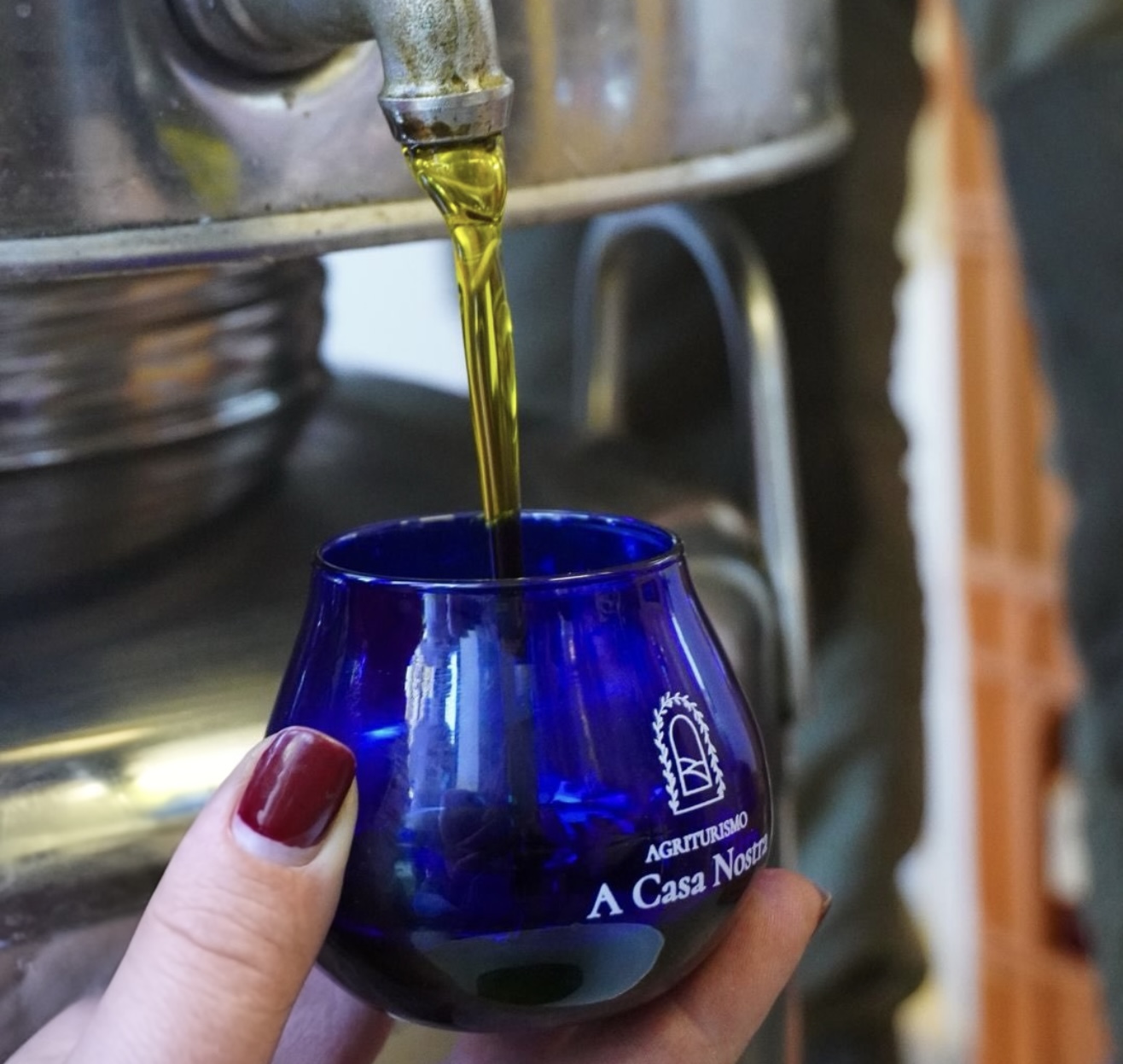
Through evening tastings (see photo above), such as Passione e Olio EVO, the farm guides guests in discovering the different selections, inviting them to recognize their aromatic and flavor nuances.
Learning to taste extra virgin olive oil also means understanding that bitterness and pungency—sometimes mistakenly interpreted as flaws—are actually positive attributes linked to the presence of phenolic compounds.
Educating the palate thus becomes a way to gain greater awareness of food.
From this perspective, olive oil tourism represents an interesting development opportunity for the Pistoia region. Visiting production sites, meeting farmers, learning about processing techniques, and participating in tastings allows you to create a travel experience that combines gastronomy, landscape, and culture.
A form of tourism capable of generating value even for small rural communities.
“Made in Italy” that has the courage to stay true to its roots
These are the stories I love to tell. Stories of people who have been able to transform their roots into a path for growth, turning memory into a tool for development.
There is much talk of Italian excellence, but less about those who make it possible every day.
Staying connected to one’s land, investing in agriculture, facing economic challenges, and keeping a family business alive are choices that require expertise, determination, and courage.
“Made in Italy” cannot be reduced to a brand or a commercial label. Its strength lies in that heritage of knowledge, sensitivity, entrepreneurial skills, and regional distinctiveness that makes our products recognizable around the world.
The experience at the A Casa Nostra agritourism farm also invites us to reflect on our responsibility as consumers, on the power of our choices, and on the need to reclaim a more mindful relationship with food.
Perhaps we should learn to look differently at that bottle of olive oil we bring to the table every day. Inside it lie sleepless nights, hard-working hands, knowledge passed down through generations, investments, and hopes. It holds the story of those who have chosen to continue making a living from their land.
Recognizing the true value of quality means respecting all of this.
Because protecting “Made in Italy” means, even before defending a product, ensuring a future for the people who make it possible.
Agriturismo A Casa Nostra
Via Acciaio e Agnolaccio, 7 – Pistoia
Tel: (+39) 0573 19 35 032 / Cell: (+39) 333 76 13 807 – contatti@agriturismoacasanostra.it